Love the charm of a wide front porch and hand-crafted details? Touring historic homes in Jefferson Park can feel like stepping into a design magazine, but the best finds come with unique rules and repairs. If you understand the HPOZ, what to look for on tours, and how to modernize without losing character, you can buy with confidence. This guide gives you a tour-day checklist, approval tips, and upgrade ideas that keep the soul of the house intact. Let’s dive in.
Jefferson Park HPOZ basics
Jefferson Park’s designated Historic Preservation Overlay Zone sets the design rules for exterior work and was adopted in 2011. You can find staff contacts and the boundaries on the official Jefferson Park HPOZ page.
Local documents describe Jefferson Park as one of Los Angeles’ larger historic districts with a strong streetcar-suburb story and many Craftsman bungalows and period-revival homes. For a quick neighborhood overview and context, review the local preservation overview.
In an HPOZ, most exterior changes require review. Simple maintenance may be exempt or delegated, but additions, new street-facing features, and demolition or major visible alterations usually need a Certificate of Appropriateness or Certificate of Compatibility. Always confirm whether a property is a Contributor and read the relevant plan chapters before you price a remodel. The process is outlined in the HPOZ Plan’s Function of the Plan section.
What you’ll see on tours: character and clues
Craftsman and revival details to spot
Across Jefferson Park you’ll see low-pitched roofs, deep eaves with exposed rafters, generous porches with tapered piers, grouped windows, and rich wood trim. You’ll also encounter stucco walls, clay tile roofs, arched openings, and decorative tile or wrought iron on Spanish and eclectic revival homes. These are considered character-defining features in the HPOZ. Explore examples in the plan’s architectural features chapter.
Interior features worth preserving
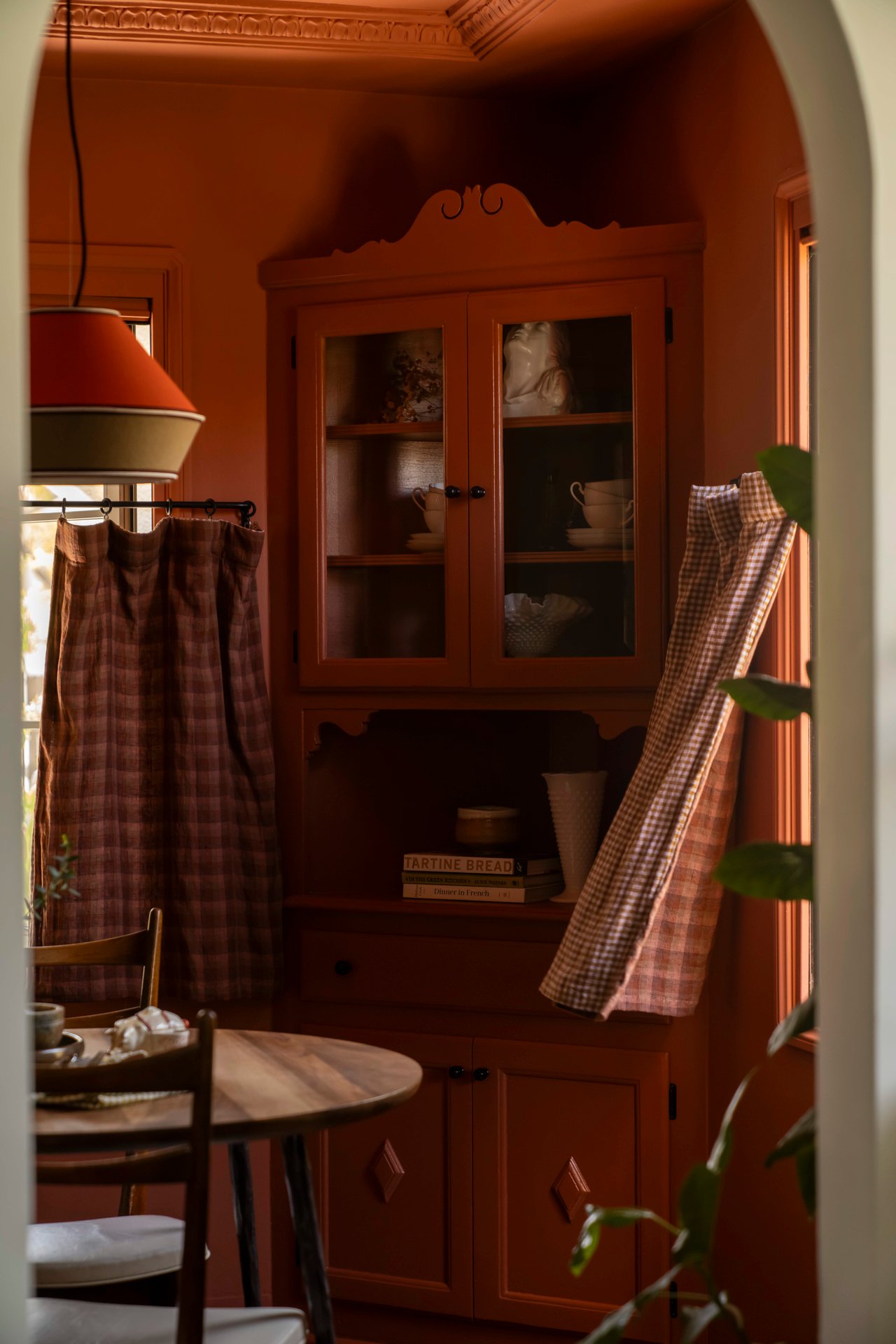
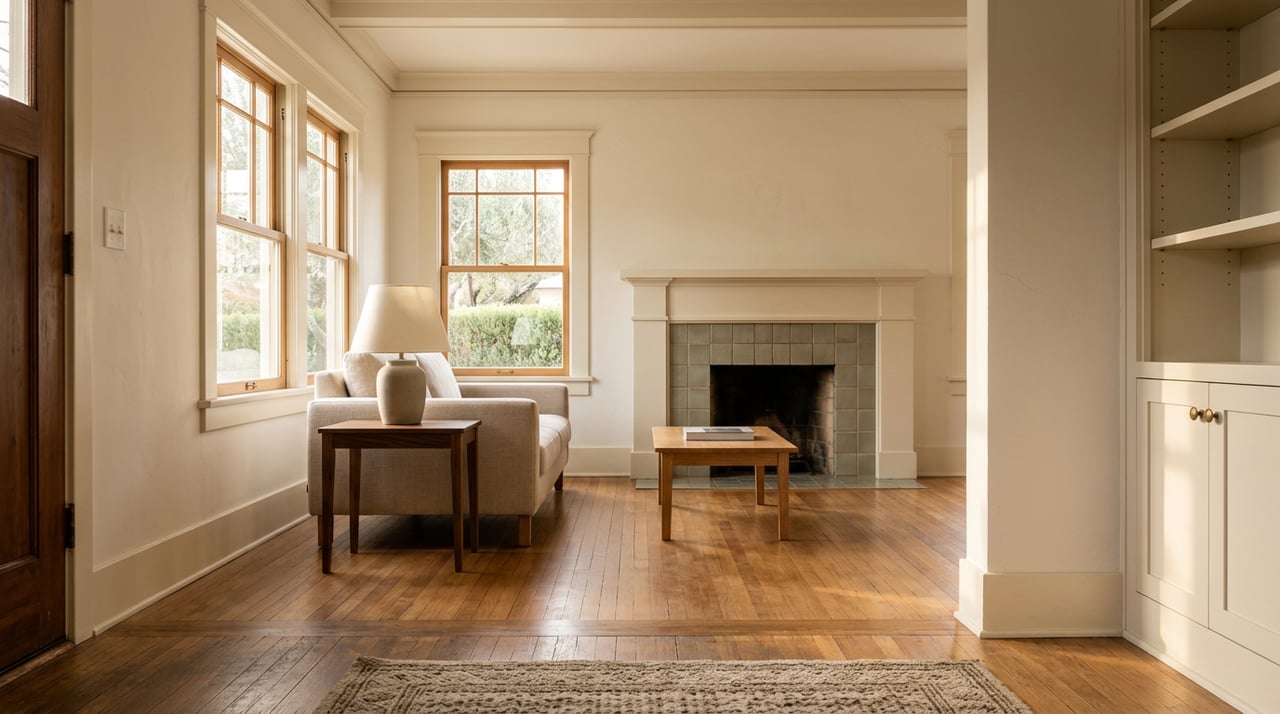
Original hardwood floors, built-in bookcases and benches, period bath and kitchen tile, and vintage hardware show up often. These details add value and are usually good candidates for careful repair rather than replacement. When in doubt, photograph and document original fabric before you plan upgrades.
Quick curbside checklist
Bring a quick eye to the exterior:
- Roof condition, eaves, and exposed rafters
- Porch supports and floor level (watch for sagging)
- Chimneys and stucco cracks
- Drainage away from the foundation
- Mature landscaping that shapes curb appeal
Inside, note two-prong outlets, any visible fuse box, signs of water staining, uneven floors or sticking doors, and what looks original. Also confirm attic and crawlspace access. You will likely need them for follow-up inspections.
Common system issues in older homes
Electrical warning signs
Two-prong outlets, antique fuse boxes, or knob-and-tube wiring are common in early houses and can trigger insurance or lender concerns. If you spot these clues, plan for a specialist’s evaluation. Learn why older wiring raises flags in this knob-and-tube overview.
Plumbing and sewer considerations
Galvanized steel lines, low pressure, rusty water, or stains may signal internal corrosion and the need for repiping. A licensed plumber can scope supply and waste lines and give you a budget range for copper or PEX.
Lead and asbestos basics
Most pre-1978 homes carry lead paint risks, and older finishes may include asbestos. If you plan to disturb paint or suspect materials during renovations, federal and state rules require testing and certified practices. Expect required disclosures on pre-1978 housing. Read more about lead-based paint rules and enforcement.
Termites, moisture, and foundations
Look for sagging porch floors, soft or discolored sill plates, and patches that suggest past remediation. Many raised-foundation homes also predate modern seismic standards. If you see unbolted sills or short wall sections under the floor (cripple walls), a retrofit may be in order. The National Park Service’s guidance emphasizes keeping preservation in mind during seismic work.
Modernization that respects history
Electrical upgrades the right way
Modern households often need 200-amp service, while older homes may have 60 to 100 amps. If you need a panel upgrade or rewiring, plan routes that minimize visible conduit and protect original woodwork. Always pull the proper LADBS permits for electrical work.
Plumbing and hot-water updates
Whole-house repipes and water-heater replacements are common. Upgrading early can protect finishes you care about. Your plumber will confirm where permits are required and which materials make sense for your layout.
Comfort and energy without gutting
Start with smart, light-touch steps: attic insulation, air sealing, and weatherstripping. Where possible, use discreet ductless mini-splits for comfort without major demolitions. For windows, it often pays to repair and add storms rather than replace.
Windows and exterior woodwork
Repair first. The National Park Service recommends sash repair, glazing, and weatherstripping and favors storm windows to improve performance while keeping original profiles. If replacement is justified, follow HPOZ guidance so street-visible facades match the original in material and sightlines. See NPS guidance on repairing historic wood windows.
Kitchens, baths, and interior changes
HPOZ rules focus on exteriors, but interiors still influence value and livability. Preserve front rooms and visible window openings when you can. Document and salvage original millwork, then choose sympathetic new materials so the whole house feels cohesive.
Additions and ADUs in the HPOZ
Most additions or new structures on contributing lots need formal HPOZ review. The plan calls for compatible massing and scale, with new work set back so the original street facade remains primary. Early contact with planning staff and the HPOZ Board can streamline approvals. The path and criteria are outlined in the Plan’s Function of the Plan.
Seismic retrofits and grants
For raised foundations, the most cost-effective life-safety work is bolting and bracing cripple walls. California’s Earthquake Brace + Bolt program offers qualifying homeowners up to 3,000 dollars toward retrofits in eligible ZIP codes. Completed documentation can also help your future resale story.
Permits, reviews, and timing
Most structural, electrical, plumbing, mechanical, window, and roof projects require permits, and exterior changes in the HPOZ usually require review first. The Preservation Plan explains what is exempt and what the Director can approve administratively versus items that go to the HPOZ Board. Start with your scope, then map the approval path and pull the proper LADBS permits. For staffing, meeting schedules, and guidelines, consult the Jefferson Park HPOZ page.
If you are exploring a Mills Act contract for tax relief on qualified historic properties, the statewide framework is explained in the Mills Act program overview. In Los Angeles, the Office of Historic Resources manages local criteria and intake.
Who to call before you close
Line up the right specialists early so you can move fast in escrow:
- General home inspector to document overall condition and flag specialist needs.
- Licensed electrician to evaluate knob-and-tube or cloth-insulated wiring and provide a clear estimate for upgrades.
- Licensed plumber for water service, drainage, and repipe estimates.
- Structural engineer if you see settlement, significant rot, or if you plan a retrofit or addition.
- Certified lead and asbestos testing if renovations will disturb painted or suspect materials.
- Preservation architect or historic-minded contractor if you want to restore details or design an addition that passes HPOZ review.
Your buyer tour checklist
Before you go
- Check whether the property is within the HPOZ and whether it contributes to the district. The neighborhood overview is a good starting point.
- Ask for permits on recent work and required lead disclosures for pre-1978 homes. Read about lead-safe requirements.
While you tour
- Exterior: roof condition, eaves, porch supports, stucco cracks, chimney condition, drainage, and mature landscape elements.
- Interior: two-prong outlets, fuse boxes or sub-panels, signs of moisture, uneven floors, and original trim, tile, or cabinetry. Confirm attic and crawlspace access.
After the tour
- Make your offer contingent on a full inspection and any needed specialist scopes.
- If you plan exterior changes or additions, schedule an early conversation with the HPOZ planner.
- Explore EBB eligibility if a seismic retrofit is needed and keep documentation for future resale.
- Ask your agent to pull permit records and any as-builts. Pull required LADBS permits once plans are set.
Buying a historic home in Jefferson Park is about balance. You get hand-crafted character and a neighborhood with deep roots, plus modern comfort and safety where it matters. With the right plan and the right team, you can respect the house’s history and make it work beautifully for life today.
If you want a design-savvy partner to guide tours, line up expert inspections, and map the cleanest HPOZ path, reach out to Your Spot LA. We help you see both the soul and the structure, then buy with clarity.
FAQs
What is the Jefferson Park HPOZ and how does it affect remodeling?
- It is a local historic district with design rules for exteriors. Most visible changes need review, while routine maintenance may be exempt. Plan exterior work with the HPOZ guidelines and staff input.
How do I know if a Jefferson Park house is a Contributing structure?
- Check the property’s status in city resources and read the Jefferson Park Preservation Plan. Contributing homes face stricter exterior design review.
Can I replace original windows with new double-pane units?
- Sometimes, but repair is preferred. Many historic wood windows can be restored and paired with storm windows to improve comfort while keeping original profiles.
Which older-home issues can slow a loan or insurance?
- Active knob-and-tube wiring, undersized service panels, significant plumbing corrosion, and signs of structural or moisture damage often trigger extra scrutiny or conditions.
Are there grants or tax incentives for historic homes in Los Angeles?
- Yes. Earthquake Brace + Bolt grants can help fund seismic retrofits in eligible areas, and the Mills Act may provide property tax relief for qualified historic properties.
How long does HPOZ review usually take?
- Timing depends on scope. Small, delegated items can be quicker, while additions or visible street-facing work often take longer. Early contact with the assigned planner helps you set a realistic schedule.