What if your neighborhood coffee run could turn into a bookstore browse, a plaza pause, and a live performance by evening? That everyday mix is part of what makes Leimert Park stand out in Los Angeles. If you are looking for a place where culture is woven into the routine, not saved for special occasions, this guide will help you get a feel for how Leimert Park lives day to day. Let’s dive in.
Why Leimert Park Feels Distinct
Leimert Park sits within the West Adams-Baldwin Hills-Leimert community plan area, and the City describes Leimert Park Village as a low-scale, pedestrian-oriented district with deep roots as the focal point of the original master-planned community. Today, it remains known for Afrocentric dining, shopping, art, and entertainment. That city framing helps explain why the neighborhood feels grounded in place rather than built around a generic commercial strip.
In practical terms, daily life tends to center on the village core around Degnan Boulevard, Leimert Plaza Park, and the surrounding cultural venues. You can feel that rhythm in the layout itself. The neighborhood invites you to linger, walk a bit, and notice what is happening around you.
Degnan Boulevard Sets the Pace
If you want to understand Leimert Park, start on Degnan Boulevard. This corridor captures the neighborhood’s easy blend of coffee, conversation, culture, and community activity. It is the kind of place where a quick stop can easily become part of a longer afternoon.
Harun Coffee, at 4336 Degnan Blvd, is a strong example of that rhythm. Its listed hours run from 7 a.m. to 4 p.m. and again from 6 p.m. to 11 p.m. daily, which speaks to both daytime routine and evening gathering. Recent reporting also described its refreshed concept as rooted in African coffee traditions and social connection.
Just nearby, ORA Urban Cafe at 4331 Degnan Blvd adds another layer to the street. The cafe describes its mission around whole ingredients, ethically sourced coffee, and community nourishment. Coverage has also highlighted its role as a work-friendly spot that hosts open mics, comedy shows, game nights, study sessions, and music-centered events.
This is part of what makes Leimert Park appealing for people who want more than convenience. The cafes here do not only serve drinks and food. They help shape the neighborhood’s social life and creative energy.
A Neighborhood Made for Lingering
Leimert Park has a book-and-coffee quality that gives everyday life a slower, more connected feel. When Harun reopened, reporting noted that Lore, a Black-owned bookstore, sits next door and builds on the legacy of Eso Won Books. That pairing matters because it shows how the neighborhood supports browsing, conversation, and repeat visits.
Instead of feeling purely transactional, the village often feels participatory. You might stop for coffee, then drift into a bookstore, then stay in the area because something is happening in the plaza or at a nearby arts venue. That kind of rhythm can be a major draw if you value neighborhood texture and local identity.
Leimert Plaza Park Anchors Daily Life
Leimert Plaza Park is one of the clearest public anchors in the neighborhood. Located at 4395 Leimert Blvd, the park is open daily from 6 a.m. to 10 p.m. Its presence gives the village a shared outdoor space that supports both everyday pause and larger community activity.
In a neighborhood like this, a plaza is not just open space. It helps tie together cafes, shops, events, and foot traffic. For buyers and renters thinking about lifestyle fit, that public realm can make a real difference in how connected daily life feels.
Culture Is Part of the Routine
One of Leimert Park’s biggest strengths is that art and performance are not tucked away from everyday life. They sit right in the neighborhood fabric. That means your regular week can include community programming, exhibitions, classes, workshops, or live events without needing to cross the city.
The Vision Theatre is one of the area’s major civic landmarks. The City’s Department of Cultural Affairs describes it as a performing arts space, training center, and community venue for theater, music, dance, film screenings, and meetings. It gives the neighborhood a strong cultural centerpiece with a civic role, not just an entertainment function.
The World Stage adds another important layer. Founded in 1989 by Billy Higgins and Kamau Daáood, it is known for affordable weekly workshops and ticketed performances focused on preserving and advancing African American music and oral tradition. That long-running mission helps explain why Leimert Park continues to feel artistically grounded rather than trend-driven.
The broader venue network matters too. The official village venue list includes Art + Practice Galleries, Barbara Morrison Performing Arts Center, Fernando Pullum Community Arts Center, Vision Theatre Performing Arts Center, World Stage, and public-facing spaces like Leimert Plaza Park and The People’s Street. Together, these spaces create a neighborhood where culture shows up in many forms and at many scales.
Events Keep the Neighborhood Active
Recurring events help give Leimert Park its steady pulse. According to the City of Los Angeles calendar, the Leimert Park Artwalk takes place on the last Sunday of each month. That kind of regular event helps make the neighborhood feel active and connected beyond a single festival weekend.
The Leimert Park Village Book Fair is another signature tradition. It describes itself as the largest African American book fair on the West Coast and has been part of the neighborhood since 2007. For residents and visitors alike, events like these reinforce the area’s identity as a place where literature, visual art, music, and community life intersect.
Street markets also play a role in that rhythm. The Leimert Park Village Crenshaw Corridor BID says it organizes the historic Degnan Boulevard craft and food market and serves as the official organizer of the Historic African Market Place and Bazaar. That adds a community-led market presence that complements the cafes and cultural spaces nearby.
Transit Adds to the Experience
In Leimert Park, transit is part of the neighborhood identity, not only a practical feature. The village actively encourages visitors to take the K Line, and station-platform kiosks promote local food, drink, and cultural programming. That kind of integration makes the station feel connected to the neighborhood rather than separate from it.
Leimert Park Station also includes neighborhood-specific Metro Art. Works such as Love, Leimert reference local symbols like drum circles, gardens, architecture, and light. For people who value creative details in the built environment, even the transit experience reflects the area’s artistic character.
What Housing Character Looks Like Here
Leimert Park’s housing story is closely tied to planning and architecture. The neighborhood was laid out in 1927 and developed beginning in 1928 by the Walter H. Leimert Company. City historic context materials describe it as an exemplary pre-World War II development with a pedestrian-friendly street system and romanticized Southern California architecture from the 1920s and 1930s.
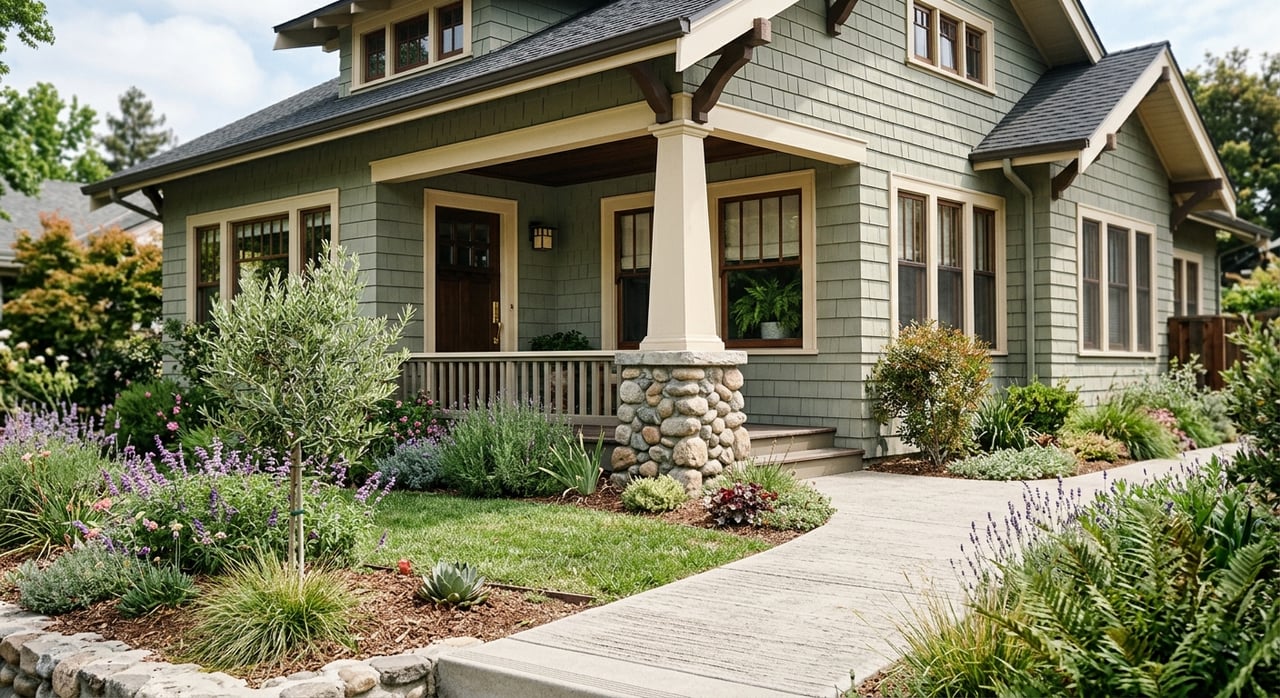
That background is part of why the neighborhood appeals to buyers who care about architectural character. City survey materials point to significant concentrations of Period Revival architecture, especially Spanish Colonial Revival, along with Craftsman examples. The result is a streetscape with visual texture and a stronger sense of design continuity than you find in many newer areas.
It is also important to note that the housing mix is not limited to detached homes. City survey materials also reference garden apartments and other multifamily resources in and around the plan area. For buyers and renters alike, that means the neighborhood offers more than one path into the area depending on your goals and budget.
Who Leimert Park May Suit Best
Leimert Park tends to resonate with people who want a culturally anchored, walkable routine and who enjoy living near active community spaces. That is not a fixed rule, but it is a reasonable takeaway from the city’s pedestrian-oriented planning language and the concentration of cafes, arts venues, markets, parks, and transit in the village core.
If you care about neighborhood identity, older architecture, and everyday access to culture, this area may feel like a strong fit. If your ideal routine includes quiet coffee spots, public gathering spaces, local events, and a sense of place that extends beyond your front door, Leimert Park offers a compelling version of that lifestyle.
Why This Matters for Home Search
When you are choosing a neighborhood, the question is not only what the homes look like. It is also how your days will feel once you live there. In Leimert Park, the answer often includes walkable routines, character-rich housing, and a village center where arts and community life are part of the background.
That kind of fit can be especially important in Los Angeles, where neighborhoods vary so widely in pace and personality. If you are searching for a place that supports creativity, connection, and a more place-based daily rhythm, Leimert Park deserves a close look.
For buyers who want to plant roots in a neighborhood with strong architectural identity and cultural depth, or for sellers who want to position a Leimert Park home through the lens of design and lifestyle, working with a team that understands both the housing stock and the neighborhood story can make a real difference. If you are thinking about your next move in Leimert Park, Your Spot LA can help you evaluate fit, understand local housing character, and plan your next step with clarity.
FAQs
What is everyday life like in Leimert Park?
- Everyday life in Leimert Park often centers on Degnan Boulevard, Leimert Plaza Park, local cafes, bookstores, arts venues, and recurring cultural events within the village core.
What cafes are in Leimert Park Village?
- Two notable cafes in the village are Harun Coffee at 4336 Degnan Blvd and ORA Urban Cafe at 4331 Degnan Blvd, both of which contribute to the neighborhood’s coffee and community culture.
What cultural venues are in Leimert Park?
- Key venues include Vision Theatre, World Stage, Art + Practice Galleries, Barbara Morrison Performing Arts Center, and Fernando Pullum Community Arts Center.
What events happen regularly in Leimert Park?
- Recurring events include the Leimert Park Artwalk on the last Sunday of each month, the annual Leimert Park Village Book Fair, and community-led market programming on Degnan Boulevard.
What types of homes are in Leimert Park?
- Leimert Park includes character-rich housing such as Period Revival and Craftsman homes, along with some garden apartments and other multifamily properties in and around the plan area.
Is Leimert Park connected to transit?
- Yes. The neighborhood is served by the K Line, and local messaging encourages visitors to use transit to access the village’s food, drink, and cultural programming.