Looking for a home with real character in Los Angeles? Leimert Park stands out because many of its homes still reflect the neighborhood’s original 1920s planning and period architecture. If you are drawn to bungalows, Spanish homes, and streets that feel visually cohesive, this guide will help you understand what to look for, what often comes with these properties, and what matters during your search. Let’s dive in.
Why Leimert Park Feels Distinct
Leimert Park was laid out by Walter Leimert in 1927 and developed in 1928 by Olmsted Brothers as one of Los Angeles’ first planned communities for low- and middle-income family homes. The original plan emphasized reduced auto traffic near community hubs, hidden utility wires, and dense tree planting. That planning history still shapes how the neighborhood feels today.
The result is a streetscape that often feels more intentional than pieced together. In Leimert Park, the homes, setbacks, and tree-lined blocks tend to read as part of a unified whole. For buyers, that can make a big difference because the neighborhood experience starts before you even walk through a front door.
Leimert Park Village also plays an important role in the area’s identity. The City describes it as a low-scale district centered on Afrocentric dining, shopping, art, and entertainment, and notes that the K Line has strengthened Leimert Park’s role as a destination in Black Los Angeles. If neighborhood character matters as much to you as the house itself, that context is part of the appeal.
What Buyers Usually Find Here
SurveyLA describes Leimert Park and the broader West Adams-Baldwin Hills-Leimert area as having large concentrations of single-family and multi-family housing. In Leimert Park, multi-family buildings are often small apartment structures with fewer than six units. Even with that mix, many buyers searching here are especially focused on the single-family bungalows and Spanish Revival homes that give the area its signature look.
A key reason the neighborhood feels cohesive is that contributors from the 1920s and 1930s were evaluated as Period Revival resources, primarily Spanish Colonial Revival. SurveyLA also notes consistency in massing, setbacks, and styles. In simple terms, many blocks feel architecturally related rather than random.
That visual continuity is reinforced by local landmarks too. The Vision/Leimert Theatre, with its Spanish Colonial Revival and Art Deco design, helps frame the area as a neighborhood with a strong period identity. For buyers, that often translates into a sense of place that is hard to replicate in newer housing stock.
Leimert Park Bungalows: What To Expect
Leimert Park bungalows are usually compact, horizontally oriented houses. Many are one story or one and a half stories with low-pitched gabled roofs, wide eaves, deep front porches, tapered square columns, exposed rafters, and rectangular floor plans. These are the details that give bungalows their warm, grounded curb appeal.
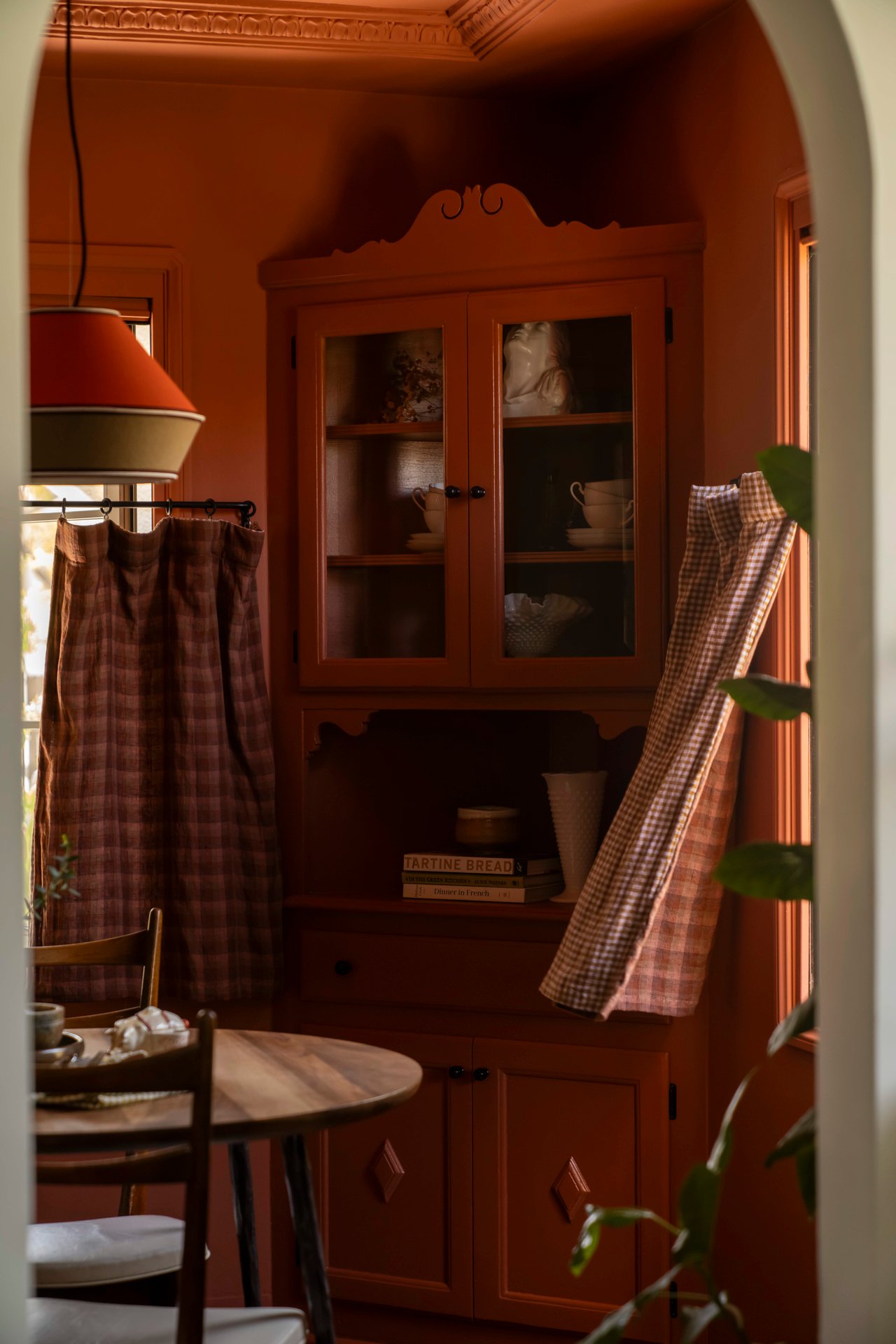
Inside, bungalow layouts often make practical use of modest square footage. Current listing examples show features like formal dining rooms, built-in bookcases, breakfast nooks, and flexible rear spaces. That combination can work well if you want character without taking on a very large home.
The porch is often one of the most important design elements. On a bungalow, the depth of the porch, the eaves, the rafters, and the columns do a lot of the visual work. If you are touring homes, pay attention to whether those original features have been preserved or altered.
Common bungalow details
- Low-pitched gabled roof
- Wide eaves
- Deep front porch
- Tapered square columns
- Exposed rafters
- Built-in shelving or bookcases
- Breakfast nook or dining room
- Compact but efficient layout
Spanish Homes In Leimert Park
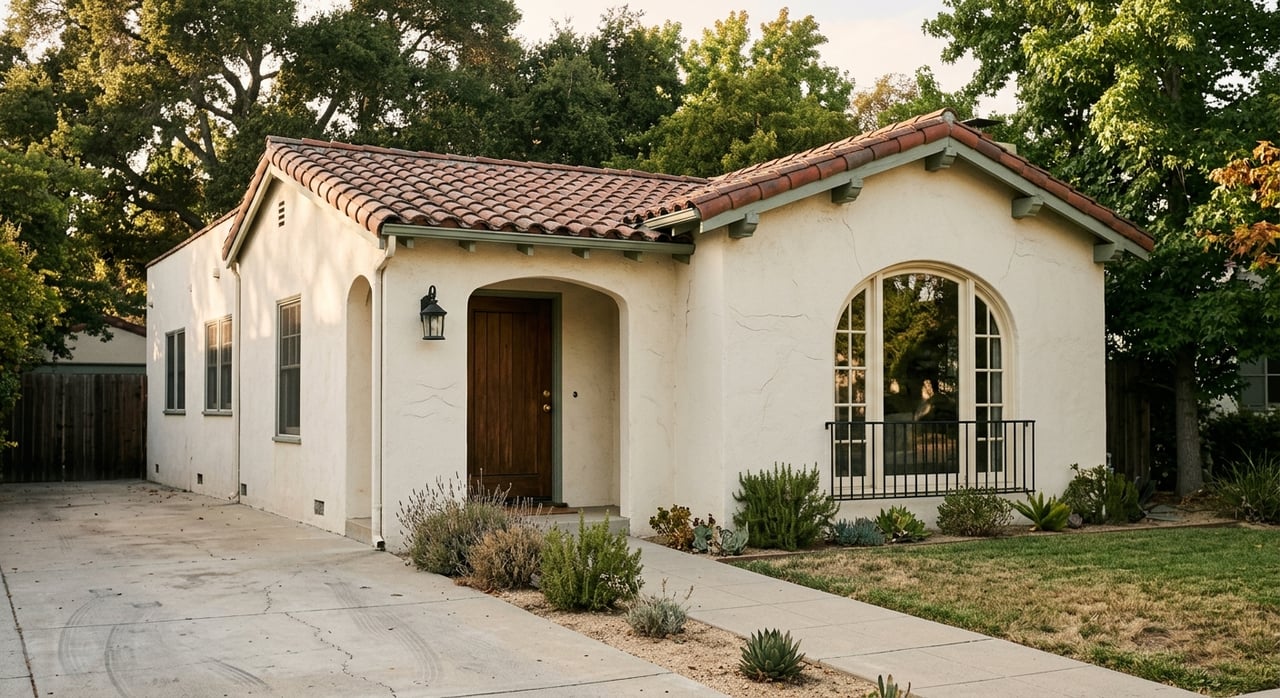
Spanish Colonial Revival homes in Leimert Park tend to offer a different kind of charm. You will often see stucco walls, red tile roofs, arched windows and doors, recessed entries, courtyards, balconies, iron railings, and paired wood casement windows. These features create the romantic, textured look many buyers associate with classic Los Angeles architecture.
Recent listing examples also show the lived-in version of that style. Think Saltillo tile, coved or barrel ceilings, beamed ceilings, stained glass, original hardwood floors, fireplaces, and wrought iron. These homes often feel expressive without being oversized, which is a big part of their appeal.
Spanish homes usually reward close attention during a showing. The best ones often balance preserved architectural details with smart system updates. A beautiful archway or original ceiling profile can be just as important to long-term value and enjoyment as a renovated kitchen.
Common Spanish home details
- Stucco exterior
- Red tile roof
- Arched openings
- Recessed entry
- Courtyard or patio
- Iron railings or wrought iron accents
- Wood casement windows
- Original floors and fireplace details
Typical Size, Layout, And Outdoor Space
In a sample of current listings, homes in the area are commonly 2 to 3 bedrooms and 1 to 2 baths. Living areas in that sample were roughly 1,000 to 1,700 square feet, with lots around 4,000 to 6,000 square feet. This should be treated as a market snapshot, not a rule for every property, but it gives buyers a realistic starting point.
That scale is part of what makes Leimert Park attractive to buyers who want a house with design character and manageable upkeep. Many homes feel substantial enough to live comfortably while still keeping a modest footprint. If you are comparing neighborhoods, this can be a useful middle ground between a compact city property and a much larger suburban-style layout.
Outdoor areas also matter here. Detached garages, porte-cocheres, gated driveways, raised patios, private courtyards, and hedged front yards show up frequently in listing photography. In Leimert Park, the approach to the house is often part of the experience, not just leftover lot space.
What To Notice During Showings
When you tour a Leimert Park bungalow or Spanish home, it helps to separate cosmetic updates from architectural integrity. Fresh paint and new fixtures are easy to add. Original proportion, roof form, arches, porches, and historic detailing are much harder to recreate once they are gone.
For Spanish homes, preservation guidance emphasizes clay tile, stucco texture, arched openings, and original window and door proportions. For bungalows, key features include porch depth, eaves, rafters, columns, and built-ins. If those details are still intact, the home may retain more of the architectural character that makes the neighborhood special.
You should also look at how updates were handled. Guidance from the LA Conservancy recommends repairing windows and doors rather than replacing them when possible, matching new windows to original material and divided-lite proportions, and keeping additions at the rear and visually subordinate to the original structure. That often leads to renovations that feel more seamless and more respectful of the home’s design.
A smart showing checklist
- Check whether original roof form is still intact
- Look closely at windows and door proportions
- Notice whether stucco texture appears consistent
- Evaluate porch details, columns, and rafters on bungalows
- Look for preserved arches, fireplaces, and ceiling details in Spanish homes
- Ask whether major systems like electrical, plumbing, HVAC, or roofing have been updated
- Confirm whether rear bonus spaces or detached rooms are legally permitted
Renovation Tradeoffs Buyers Should Understand
In Leimert Park, the strongest renovations are often the ones that update the systems without stripping away the original personality. Recent listings frequently pair preserved details with newer electrical, plumbing, roofing, HVAC, kitchens, and baths. That mix can give you both comfort and character.
The main tradeoff comes when a remodel chases a generic finish at the expense of the architecture. Replacing original windows with mismatched styles, flattening textured stucco, or removing arches and built-ins can change how the home reads. If you are buying for long-term enjoyment, those choices matter.
Exterior plans deserve extra care. SurveyLA-identified districts in Leimert Park are tied to massing, setbacks, and period character, so buyers should confirm whether a parcel contributes to a historic district before planning visible exterior work. That is especially important for windows, porches, garage changes, and additions.
Why These Homes Photograph So Well
Part of Leimert Park’s appeal is visual. The neighborhood’s low-slung homes, mature trees, and period details create a setting that tends to photograph beautifully. Facades, porches, courtyards, and rooflines often do more of the storytelling here than they would in a newer tract neighborhood.
Inside, the strongest presentation usually highlights the features buyers already want to see. Fireplaces, built-ins, arches, original floors, natural light, and ceiling texture should lead the visual story. Rooms generally show best when furniture is edited enough for the architecture to stand out.
This matters for buyers too, not just sellers. Listing photos can tell you which homes still lean into their original design and which ones may have lost some of that character. If a detached garage, bonus room, or rear studio is part of the property, it is especially helpful when that space is presented clearly as functional flex space, assuming it is legally permitted.
Why Leimert Park Appeals To Design-Minded Buyers
The strongest local narrative is not just about one house style. It is about the combination of a 1920s planned-community streetscape and housing stock that balances modest scale with strong architectural detail. That is a rare mix in Los Angeles.
If you are searching for a home that feels rooted in place, Leimert Park offers a lot to pay attention to. You can find homes with preserved details, usable outdoor space, and a neighborhood setting that still reflects its original planning vision. For many buyers, that combination is exactly what turns a house hunt into a search for the right long-term fit.
If you are exploring Leimert Park or comparing character homes across Los Angeles, Your Spot LA can help you evaluate architecture, neighborhood fit, and what to watch for before you write an offer.
FAQs
What types of homes are common in Leimert Park for buyers?
- Buyers will often find single-family bungalows and Spanish Colonial Revival homes, along with some smaller multi-family buildings in the broader area.
What architectural features define Leimert Park bungalows?
- Common bungalow features include low-pitched gabled roofs, wide eaves, deep front porches, tapered square columns, exposed rafters, and built-in interior details.
What architectural features define Leimert Park Spanish homes?
- Spanish homes often include stucco exteriors, red tile roofs, arched windows and doors, recessed entries, courtyards, iron accents, and original wood windows.
What home sizes are typical in Leimert Park listings?
- In a sample of current listings, many homes were around 2 to 3 bedrooms, 1 to 2 baths, roughly 1,000 to 1,700 square feet, with lots around 4,000 to 6,000 square feet.
What should buyers inspect in a Leimert Park historic home?
- Buyers should pay close attention to preserved original details, system updates, window and door proportions, roof form, porch features, stucco texture, and whether exterior changes may be affected by historic district status.
Why do Leimert Park homes feel so visually cohesive?
- SurveyLA notes that many district contributors share similar massing, setbacks, and period styles, especially Spanish Colonial Revival, which helps the neighborhood feel unified block to block.