If you want to live in Los Angeles without feeling cut off from the rest of the city, Mid-City gets your attention fast. It offers a central location, a mix of housing types, and easier access to major corridors than many buyers expect. If you are wondering whether Mid-City fits your budget, lifestyle, and long-term goals, this guide will help you think through what daily life and home shopping here can really look like. Let’s dive in.
Why buyers consider Mid-City
Mid-City appeals to buyers who want central LA access without committing to a fully downtown environment. In practical terms, that often means being closer to work, museums, shopping, healthcare, and other everyday destinations across Los Angeles.
It also helps to know that “Mid-City” is not always a perfectly fixed neighborhood label. City Planning treats the area within the Wilshire Community Plan as part of what many people call Mid-City, and a separate staff report defines a neighborhood core roughly between Pico and I-10, and between Crenshaw and Robertson. For you as a buyer, that means the better question is often not “Is this exactly Mid-City?” but “Does this block feel more residential, more corridor-adjacent, or somewhere in between?”
Mid-City location and layout
One of Mid-City’s biggest strengths is how it sits within the city. The broader planning area is roughly bounded by Melrose and Rosewood to the north, 18th Street, Venice, and Pico to the south, Hoover to the east, and West Hollywood and Beverly Hills to the west.
That central position shapes how the neighborhood functions. Mid-City tends to work less like a single village with one defined main street and more like an urban convenience neighborhood connected by key commercial corridors.
Residential interior vs corridor edge
This distinction matters when you tour homes. A property in a more residential interior area may feel quieter and more house-focused, while a home near a major corridor may offer quicker access to transit, errands, and restaurants but come with a different street feel.
Commercial development is especially concentrated along corridors like Pico. Future growth is also being directed toward station areas and major streets such as Pico, Venice, Washington, La Cienega, and Crenshaw, which can shape both daily convenience and the long-term feel of nearby blocks.
What kinds of homes you’ll find
Mid-City is not a one-note housing market. City Planning describes the area as a mix of low- to medium-density residential uses with higher-density uses interspersed throughout, and that tracks with the experience many buyers have on the ground.
As you search, you may come across older single-family homes, duplexes, small apartment-style buildings, and newer infill near corridors. That variety can be a real advantage if you want options across different price points, layouts, and ownership styles.
Character homes and architectural texture
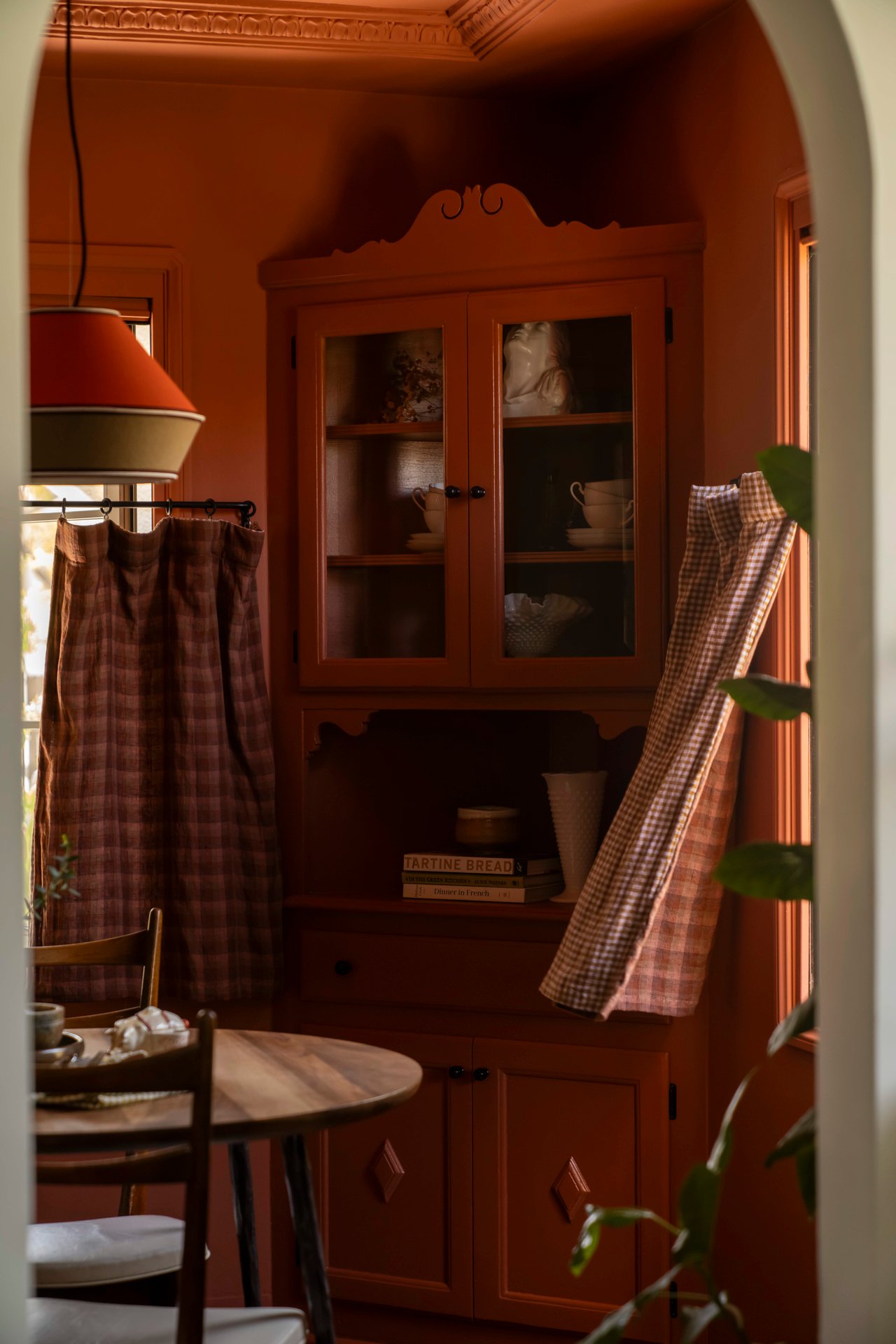
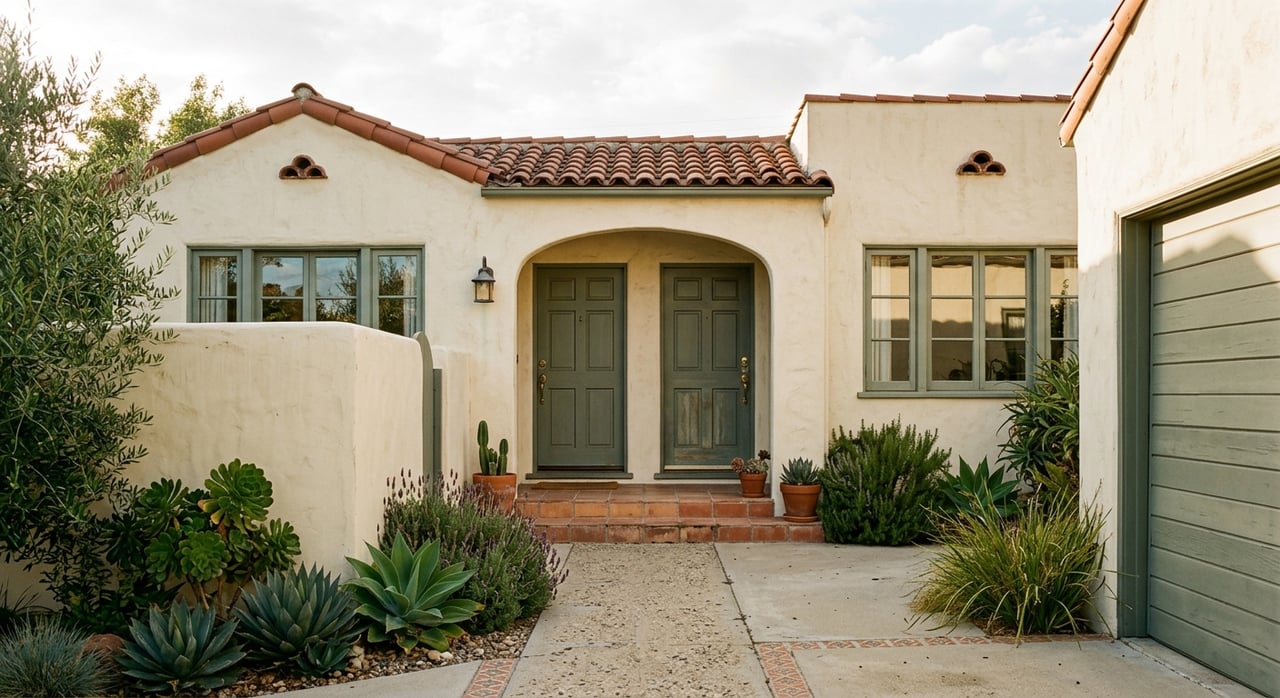
If you care about architecture, Mid-City and its surrounding areas offer a lot to notice. Nearby historic districts reflect the kinds of housing character that shape the broader area, including Craftsman bungalows, Victorian cottages, Mission Revival homes, Spanish Colonial Revival, Tudor Revival, and Mid-Century Modern apartment buildings.
For design-minded buyers, that mix is part of the appeal. You are not just buying square footage. In many cases, you are buying into a block or pocket with older housing stock and a distinct visual identity.
How transit affects daily life
Transit is a meaningful part of Mid-City’s value story, especially if you care about flexibility in how you move around LA. Metro states that Section 1 of the D Line Extension opened on May 8, 2026, adding stations at Wilshire/La Brea, Wilshire/Fairfax, and Wilshire/La Cienega.
That expansion improves connections between Mid-Wilshire, Miracle Mile, Koreatown, Downtown LA, and the broader Metro system. If you work hybrid, meet clients across town, or simply want more options than driving everywhere, that can be a major lifestyle benefit.
Bus and freeway access
Rail is not the whole story. Current Metro schedules also show bus service on major corridors including Wilshire and Pico, with service such as Line 20, Line 30, Line 217 at the Washington/Fairfax Transit Hub, and Rapid 720 on Wilshire.
There is also nearby freeway access in the broader Wilshire plan area. For many buyers, that mix of rail, bus, and road access is what makes Mid-City practical rather than just well-located on a map.
What everyday living feels like
Mid-City tends to suit people who want to stay connected to the wider city. Metro describes the rail extension as improving access to jobs, museums, healthcare, shopping, and neighborhood destinations, which reflects how many residents use the area in real life.
You may find that Mid-City feels less self-contained than some other LA neighborhoods. But for the right buyer, that is a plus. It can mean faster errands, easier crosstown plans, and more flexibility in where you spend your time.
Who Mid-City often fits best
Based on the planning context, housing stock, and transit investment, Mid-City is often a strong fit for:
- Remote or hybrid workers who want central access
- Buyers who value older homes and architectural character
- Move-up buyers looking for a more connected location
- People who want an urban setting without a purely downtown feel
This fit is less about one lifestyle stereotype and more about how you want your home base to function day to day.
What to think about before you buy
Mid-City has real strengths, but it is not the right fit for every buyer. If you want a large lot, a quieter street network, or a more uniform newer-home feel, you may find that another part of LA matches your priorities better.
That is why it helps to look beyond listing photos. In Mid-City, the exact block, corridor proximity, and property type can shape your experience more than the neighborhood label alone.
Look closely at property context
Before you decide a home is the one, pay attention to a few practical details:
- How close the property is to a major corridor
- Whether the surrounding block feels mostly residential or mixed-use
- The age and condition of the home or building
- Whether the area has any overlay or review considerations
The research report notes that nearby HPOZs require exterior review approvals, and the Mid City Corridors redevelopment plan remains active through May 2028. If you are considering a remodel or buying near a corridor, it is smart to verify zoning and any overlay status before treating the property as a simple cosmetic project.
Mid-City and long-term value
No one can promise future appreciation, and this guide is not making that claim. But the research does point to several factors that support Mid-City’s long-term appeal, including central location, transit investment, and durable older housing stock.
For many buyers, those are meaningful fundamentals. A central neighborhood with established housing character and ongoing infrastructure investment can remain attractive even as buyer preferences shift over time.
Why location matters here
In Mid-City, value often ties back to access and context more than lot size or suburban-style quiet. A well-located home with character, practical transit options, and proximity to key corridors may check more long-term boxes than a property that simply looks good online.
This is where a neighborhood-first approach matters. You want to understand not just the home itself, but how the block, street, and surrounding corridors support the way you actually live.
How to decide if Mid-City is right for you
A good Mid-City match usually comes down to priorities. If you want centrality, convenience, and a mix of housing character, the area may deserve a serious look. If your wish list centers on larger lots, quieter patterns, or a more consistent housing style, you may want to compare it with other neighborhoods before moving forward.
The best way to approach Mid-City is with clear eyes. Look at commute patterns, walk or drive the surrounding corridors, and pay attention to whether the block feels aligned with your pace of life. In a neighborhood this varied, fit matters more than labels.
If you want help thinking through where Mid-City fits into your broader LA search, Your Spot LA brings a neighborhood-first approach that can help you compare housing character, location, and day-to-day livability with confidence.
FAQs
Is Mid-City in Los Angeles clearly defined for buyers?
- Not exactly. Mid-City is a common consumer label, but City Planning places it within the Wilshire Community Plan area, so buyers should focus on a property’s block, corridor access, and residential context rather than a perfect boundary line.
What types of homes can buyers expect in Mid-City Los Angeles?
- You can find a mix of older single-family homes, duplexes, small apartment-style buildings, and higher-density corridor infill, along with a range of architectural styles in the surrounding area.
Is Mid-City Los Angeles good for commuting?
- It can be, especially if you value corridor-based travel. The D Line Extension added stations at Wilshire/La Brea, Wilshire/Fairfax, and Wilshire/La Cienega, and the area also has major bus routes and nearby freeway access.
What lifestyle does Mid-City Los Angeles offer buyers?
- Mid-City tends to work well for buyers who want central access to jobs, shopping, museums, healthcare, and other destinations without living in a purely downtown setting.
What should buyers verify before buying a Mid-City property?
- Buyers should verify zoning, corridor context, and any overlay or review status, especially if they plan to remodel or are considering a property near areas affected by HPOZ rules or the Mid City Corridors redevelopment plan.
Is Mid-City Los Angeles a good fit for buyers who want quiet streets and large lots?
- It may not be the best match if those are your top priorities. The area often appeals more to buyers who value centrality, transit access, and housing character over larger lots or a more suburban feel.