Trying to choose between Jefferson Park and nearby neighborhoods can feel surprisingly tricky. On paper, these central Los Angeles areas sit close together, but once you look at housing style, transit access, and day-to-day feel, the differences start to matter. If you want a neighborhood that fits how you actually live, this guide will help you compare Jefferson Park with West Adams, Leimert Park, and Mid-City in a practical way. Let’s dive in.
Why these neighborhoods compare well
Jefferson Park, West Adams, Leimert Park, and much of Mid-City all fall within the City’s West Adams-Baldwin Hills-Leimert community plan area. That means you are not comparing totally separate parts of Los Angeles as much as you are comparing different versions of central LA living.
For most buyers, the real question is how much historic character, corridor activity, and transit convenience you want. Those factors shape your home search more than distance alone.
Jefferson Park at a glance
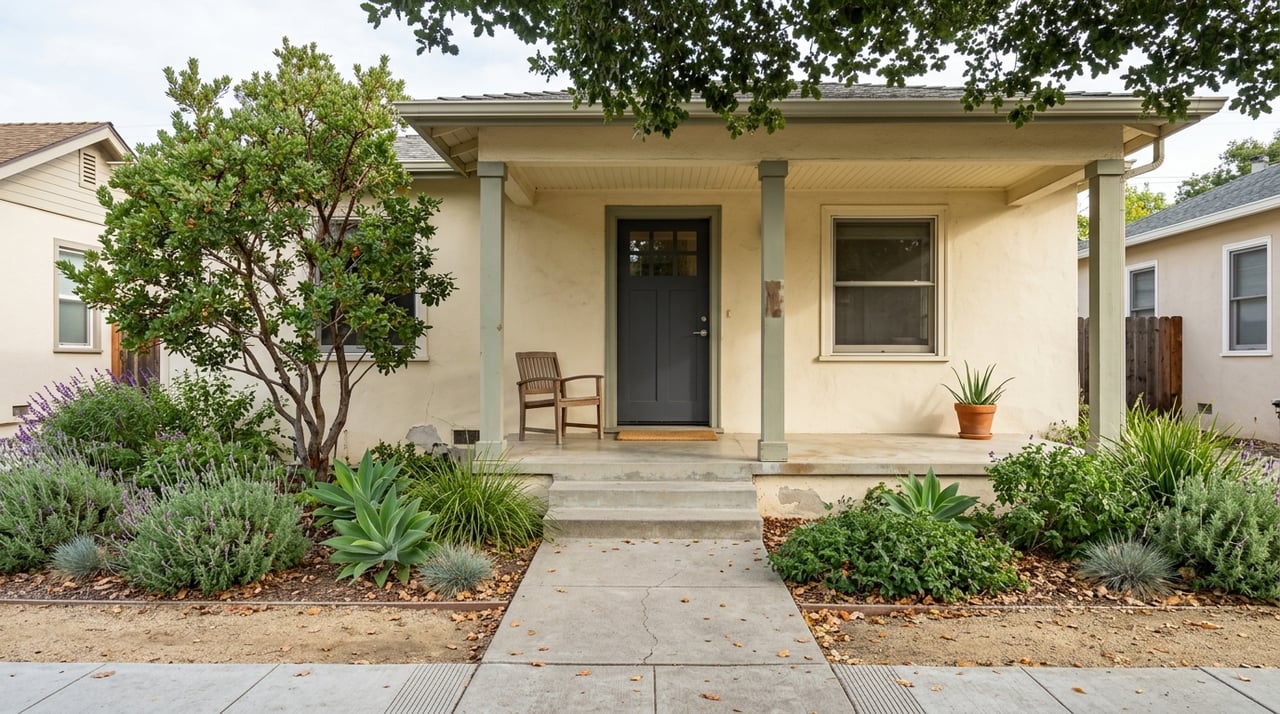
Jefferson Park stands out for its strong architectural identity. The City describes it as an early streetcar suburb and one of Los Angeles’ finest examples of early-1900s Arts and Crafts bungalows.
That consistency gives the neighborhood a clear visual rhythm. If you are drawn to bungalow character, front yards, and older homes with a cohesive streetscape, Jefferson Park often feels more focused than nearby options.
Another major difference is preservation review. Jefferson Park is a designated Historic Preservation Overlay Zone, which means exterior alterations, additions, new construction, and some landscaping or paint changes can require additional review.
For some buyers, that is a benefit because it helps preserve neighborhood character. For others, it means you need to think carefully about future renovation plans before you buy.
How Jefferson Park compares on housing
Jefferson Park: consistent bungalow character
Jefferson Park is the clearest choice if you want a neighborhood defined by early-1900s bungalow architecture. Many homes were built from kit or plan-book sources, which helps explain why the area feels so visually consistent.
That can make your search simpler. Instead of sorting through many unrelated property types, you are often choosing among homes with a more shared architectural language.
West Adams: the widest style range
West Adams offers the broadest architectural mix in this group. City Planning describes housing that ranges from modest Victorian-era cottages to Craftsman and Mission Revival bungalows to larger Period Revival and Classical homes, with development spanning roughly 1887 to 1951.
If you want variety, West Adams gives you more of it. The tradeoff is that renovation needs may vary more from home to home, especially across such a wide age and style range.
Leimert Park: planned prewar fabric
Leimert Park was subdivided beginning in the late 1920s and is described by the City as a planned, pre-World War II community. Its architecture reflects 1920s and 1930s Southern California design, and its street pattern was intentionally shaped to be more pedestrian-friendly than a standard grid.
For buyers, Leimert Park is less about one dominant house type and more about finding the right property within an intact prewar setting. Original single-family homes, small multifamily buildings, and later infill can all shape the search.
Mid-City: the most varied mix
Mid-City is the least uniform neighborhood in this comparison. City Planning describes it as a broad area with single-family and multifamily subdivisions from the 1920s through the 1940s, plus major commercial development along Pico Boulevard.
That means the experience can change a lot block by block. If you are open-minded and want flexibility, Mid-City can offer more options, but you will likely need a more precise search.
Renovation questions to ask
Jefferson Park renovation considerations
In Jefferson Park, the first question is not just what needs updating. It is also whether your planned exterior changes fit the district guidelines.
That matters if you are considering additions, facade changes, or other visible upgrades. Buyers who love architectural character often appreciate this structure, but it is important to factor it into your timeline and planning.
West Adams renovation profile
Because West Adams includes such a wide housing range, renovation scope can vary a lot. Some homes may need mostly cosmetic updates, while others may call for more substantial system work or restoration.
If you are comfortable evaluating older housing stock across different styles, West Adams can open up more possibilities. It may also require more patience and due diligence.
Leimert Park renovation profile
In Leimert Park, the balance is often between modernization and preserving original character. The more intact a home’s original design is, the more that balance tends to matter.
If you care about design details and neighborhood context, this can be a rewarding search. It also helps to know early on how much change you want to make after purchase.
Mid-City renovation profile
Mid-City is the most case-by-case option. One block may lean toward historic single-family homes, while another may include more multifamily or corridor-oriented properties.
That makes Mid-City less about broad assumptions and more about evaluating each property on its own terms. Your exact block and building type will shape both the feel and the likely renovation path.
Walkability and daily feel
Jefferson Park: amenities around the edges
Jefferson Park’s everyday amenities are concentrated along Adams Boulevard, Jefferson Boulevard, and Western Avenue. The City identifies these edges as locations for many business and institutional uses.
In practice, that gives Jefferson Park a neighborhood-scale feel without one dominant commercial center. If you like a residential core with useful activity along the edges, this setup can feel balanced.
West Adams: stronger corridor energy
West Adams has the strongest corridor identity in the group. Adams Boulevard plays a major role in the neighborhood’s daily experience, and LADOT is actively redesigning it as a complete street.
If you want bigger destinations along major boulevards with residential streets just behind them, West Adams may feel more active than Jefferson Park. It is often a better fit for buyers who enjoy a stronger urban corridor pattern.
Leimert Park: a defined village center
Leimert Park has the clearest village center of the four. City Planning describes Leimert Park Village as radiating from a small formal plaza and connecting civic, recreational, and neighborhood-serving uses in a compact setting.
That creates a more destination-oriented feel for walking and gathering. If you want a neighborhood with a distinct center rather than a mostly residential street network, Leimert Park stands out.
Mid-City: walkability by pocket
Mid-City’s walkability is more corridor-driven than village-driven. Major commercial development along Pico and current neighborhood greenway work shape how people move through the area.
Some pockets may feel very convenient for daily errands and transit. Still, the experience is less unified than in Leimert Park and less bungalow-focused than in Jefferson Park.
Transit access and commuting
Transit can be a major tiebreaker if you are comparing central neighborhoods. In this group, all four areas have a useful story, but they serve slightly different priorities.
Jefferson Park transit access
Jefferson Park has one of the strongest transit positions in this comparison. It sits near the E Line’s Jefferson/USC station and the E/K Line hub at Expo/Crenshaw.
For buyers hoping to reduce car dependence without giving up historic housing stock, that combination is a big advantage. It is one reason Jefferson Park often feels so balanced.
West Adams transit access
West Adams also benefits from rail access, especially around La Cienega/Jefferson on the E Line and the Expo/Crenshaw transfer point. That can appeal to buyers who want transit convenience with a wider architectural range.
If your search priorities are flexible on style but strong on access, West Adams can check both boxes.
Leimert Park transit access
Leimert Park offers a very clear rail story. The K Line includes a Leimert Park station, and the line now continues to the LAX/Metro Transit Center.
That expanded connection can make regional travel easier. If direct K Line access is high on your list, Leimert Park has a straightforward advantage.
Mid-City transit access
Mid-City has a growing transit advantage along its northern edge. Metro opened the first section of the D Line Subway Extension on May 8, 2026, adding Wilshire/La Brea, Wilshire/Fairfax, and Wilshire/La Cienega.
That gives parts of Mid-City a stronger position for buyers comparing central LA neighborhoods near the Wilshire corridor. As with housing, though, the benefit depends a lot on your exact location within Mid-City.
Which neighborhood fits your priorities?
If you want the most cohesive bungalow identity, Jefferson Park is usually the clearest fit. It combines historic character, a recognizable streetscape, and strong central-LA transit access.
If you want the widest range of older homes, West Adams offers more architectural variety and a more pronounced corridor-commercial feel. It may suit buyers who are open to a broader mix of house types and renovation scenarios.
If you want a defined neighborhood center, Leimert Park stands out for its village layout and direct K Line access. It can feel more centered around a compact gathering place than the other options here.
If you want the most flexibility, Mid-City gives you a broad search area with varied housing and improving transit. The tradeoff is that it rewards careful block-by-block filtering more than the other three neighborhoods.
Why Jefferson Park often wins the middle ground
For many design-minded buyers, Jefferson Park hits a rare sweet spot. You get historic bungalow character and a more unified neighborhood feel, but you are still well positioned for rail access in central Los Angeles.
That does not mean it is automatically the best choice for everyone. It means Jefferson Park is often the neighborhood that feels easiest to understand if you want character, connectivity, and a strong sense of place in one search.
If you are weighing Jefferson Park against West Adams, Leimert Park, or Mid-City, the best next step is to compare not just price or square footage, but how each area supports your daily routine and long-term plans. If you want help narrowing the map and finding the right fit, Your Spot LA can help you search with both neighborhood context and architectural character in mind.
FAQs
How is Jefferson Park different from West Adams for homebuyers?
- Jefferson Park is more defined by consistent early-1900s bungalow character and HPOZ review, while West Adams offers a wider architectural range and a stronger corridor feel along major boulevards.
What should buyers know about Jefferson Park historic rules?
- Jefferson Park is a Historic Preservation Overlay Zone, so exterior alterations, additions, new construction, and some landscaping or paint changes may require additional review.
Is Leimert Park more walkable than Jefferson Park?
- Leimert Park has a more defined village-style center, while Jefferson Park has a neighborhood-scale feel with amenities concentrated more along its edges.
How does Mid-City compare with Jefferson Park for housing style?
- Mid-City is more varied block by block, with a broader mix of single-family, multifamily, and corridor-oriented properties, while Jefferson Park has a more consistent bungalow identity.
Which neighborhood has the best transit access near Jefferson Park?
- Jefferson Park has strong access near the E Line’s Jefferson/USC station and the E/K transfer hub at Expo/Crenshaw, while West Adams, Leimert Park, and parts of Mid-City also offer useful rail connections depending on your location.
Is Jefferson Park a good fit for buyers who want to renovate?
- It can be, especially if you value historic character, but renovation planning should include whether your proposed exterior changes align with HPOZ guidelines.