If you love the idea of living near museums, gardens, rail transit, and some of Los Angeles’ most recognizable civic landmarks, Exposition Park may already be on your shortlist. But buying here is not quite the same as buying in a purely residential neighborhood, and that distinction matters when you are choosing the right block, home type, and day-to-day lifestyle fit. This guide will help you understand what makes Expo Park unique, what kinds of homes you may find nearby, and what to pay close attention to before you make a move. Let’s dive in.
Why Expo Park Feels Different
Exposition Park is best understood as a major civic district first and a residential area second. Officially, it is a 160-acre state property managed through the California Natural Resources Agency, and it brings together museums, sports venues, green space, and year-round public activity in one concentrated area.
That gives the area a sense of identity that is hard to replicate elsewhere in central Los Angeles. You are not just buying near a park. You are buying near the Natural History Museum, the California Science Center, the California African American Museum, the Los Angeles Memorial Coliseum, BMO Stadium, the EXPO Center, and the Rose Garden.
The district is also still evolving. The Lucas Museum of Narrative Art is scheduled to open on September 22, 2026, on an 11-acre campus in Exposition Park, and the Natural History Museum recently opened NHM Commons, a 75,000-square-foot community hub with free experiences. For buyers, that signals ongoing reinvestment and a neighborhood story that is still being written.
What Buying Near Museums Really Means
Living near Exposition Park can offer a lifestyle that feels connected, walkable in parts, and culturally rich. If you enjoy having major institutions, green space, and transit access close by, this part of Los Angeles can be especially compelling.
At the same time, this is not a tucked-away residential pocket with a single mood throughout. Large venues and public destinations shape the area’s rhythm, so your experience can vary a lot depending on whether your home sits near main corridors, event routes, or a quieter residential street a few blocks away.
That is why buying here requires a more block-by-block mindset than you might use in a more uniform neighborhood. In Expo Park, the question is often less about whether you want to live near the park and more about how near you want to be.
Housing Around Expo Park
The housing stock around Exposition Park is mixed, and that is one of the area’s defining traits. City planning documents for the Exposition Corridor Transit Neighborhood Plan show a wide range of zoning categories, including single-family, multiple-family, commercial, mixed-use, hybrid-industrial, open-space, and public-facility areas.
In practical terms, that means you may encounter very different home types within a relatively small area. Depending on the block, buyers may find single-family homes, duplexes, triplexes, townhomes, condominiums, apartments, small-lot subdivisions, and mixed-use residential buildings.
This mix can be a real advantage if you want options. It can also mean you need to stay focused on the specific feel of each street instead of assuming the broader area will have one consistent housing pattern.
Urban Edges and Residential Pockets
Planning documents suggest the corridor is meant to absorb new residential and mixed-use growth near transit while also conserving stable single-family neighborhoods. That helps explain why some areas near the park feel more urban and active, while others read as quieter and more traditional.
Nearby planning materials also identify character-residential districts such as Exposition Park Square as unique single-family and multi-family neighborhoods intended to preserve existing character. For a buyer, that can translate into more variation in streetscape, building scale, and pace of life than you might expect at first glance.
If neighborhood fit matters to you, this is where spending time on foot and driving the surrounding blocks becomes especially useful. Two homes with similar square footage can offer very different daily experiences depending on their exact location.
Transit Is a Major Advantage
One of Exposition Park’s strongest selling points is access. The area is served by the Metro E Line, and the Expo Park/USC station connects directly to the park’s museum and venue campus. The California Science Center notes it is about 0.2 miles across the Rose Garden from that station, and several Metro Bike Share stations sit around the district as well.
For buyers who want to reduce car dependence or simply like having more ways to get around, that access can be a big plus. It is also part of what gives the area lasting appeal in a city where convenient rail access is still relatively limited.
Transit access also supports the area’s long-term identity. The city’s planning framework points toward pedestrian-oriented and transit-supportive growth, which reinforces the district’s role as an active, connected part of central Los Angeles.
The Tradeoff: Activity and Parking
The same features that make Expo Park exciting can also create friction in daily life. BMO Stadium and the Coliseum host large events throughout the year, and official venue guidance notes that public parking in Exposition Park is limited, with some events requiring permits and other event parking selling out quickly.
The Natural History Museum also advises visitors to allow extra travel time on game days, and parking rates may vary depending on timing. For homeowners and buyers, that means traffic, street activity, and parking pressure are not abstract concerns. They are part of the lived experience in certain parts of the district.
Homes closer to Exposition Boulevard, Figueroa Street, Martin Luther King Jr. Boulevard, or major event lots will generally feel more of that movement. A home tucked deeper into the residential grid may offer a different pace, even if it is only a few blocks away.
How To Evaluate Block-by-Block Fit
When you buy near Exposition Park, small location differences matter. A listing can look ideal on paper, but the right fit often comes down to how the block feels at different times of day and on different days of the week.
As you evaluate homes, focus on the details that shape your routine. Ask yourself how often you will use transit, how sensitive you are to event traffic, and whether easy guest parking matters to you. Those answers can help you narrow in on the right micro-location.
Here are a few smart things to check before making an offer:
- Visit the block on both a weekday and a weekend
- Drive by before and after major events if possible
- Notice proximity to main corridors like Figueroa and Exposition Boulevard
- Check how close the home is to transit stops, parking lots, and venue routes
- Pay attention to noise, traffic flow, and parking availability on surrounding streets
- Walk the nearby blocks to get a feel for housing mix and street character
This kind of on-the-ground review is especially important in a place with so much civic activity. In Expo Park, one or two blocks can make a meaningful difference.
Who Expo Park May Suit Best
Exposition Park tends to be a strong fit for buyers who value culture, transit, and an urban setting with a clear sense of place. If you like the idea of museums, public gardens, major landmarks, and rail access becoming part of your normal routine, this area has a lot to offer.
It may be less appealing if your top priorities are a very quiet street, abundant easy parking, or distance from large venue activity. That does not mean you cannot find calmer residential pockets nearby. It just means your home search should be more precise.
This is where a neighborhood-first approach matters. Instead of treating Expo Park as one uniform area, it helps to think in layers: the park itself, the transit corridors, the event edges, and the nearby residential streets that each bring a different feel.
What This Could Mean for Resale
From a resale perspective, Exposition Park stands out because of its identity. Few central Los Angeles locations let you describe a home as being near nationally recognized museums, a major urban park, rail transit, and a future signature cultural institution all at once.
That distinct identity can support buyer interest over time, especially for people drawn to connected, destination-rich parts of the city. The city’s transit-neighborhood planning also points toward continued pedestrian-oriented and transit-supportive growth in the corridor.
Of course, resale appeal is never just about the big headline. Within Expo Park, block-level factors still matter. The homes that balance access with a comfortable everyday feel may speak to the widest range of future buyers.
A Smart Buying Strategy Near Expo Park
If you are serious about buying near Exposition Park, it helps to approach the search with both curiosity and precision. Start with the lifestyle draw that brought you here, then pressure-test the practical details that will shape daily life once the excitement of move-in day fades.
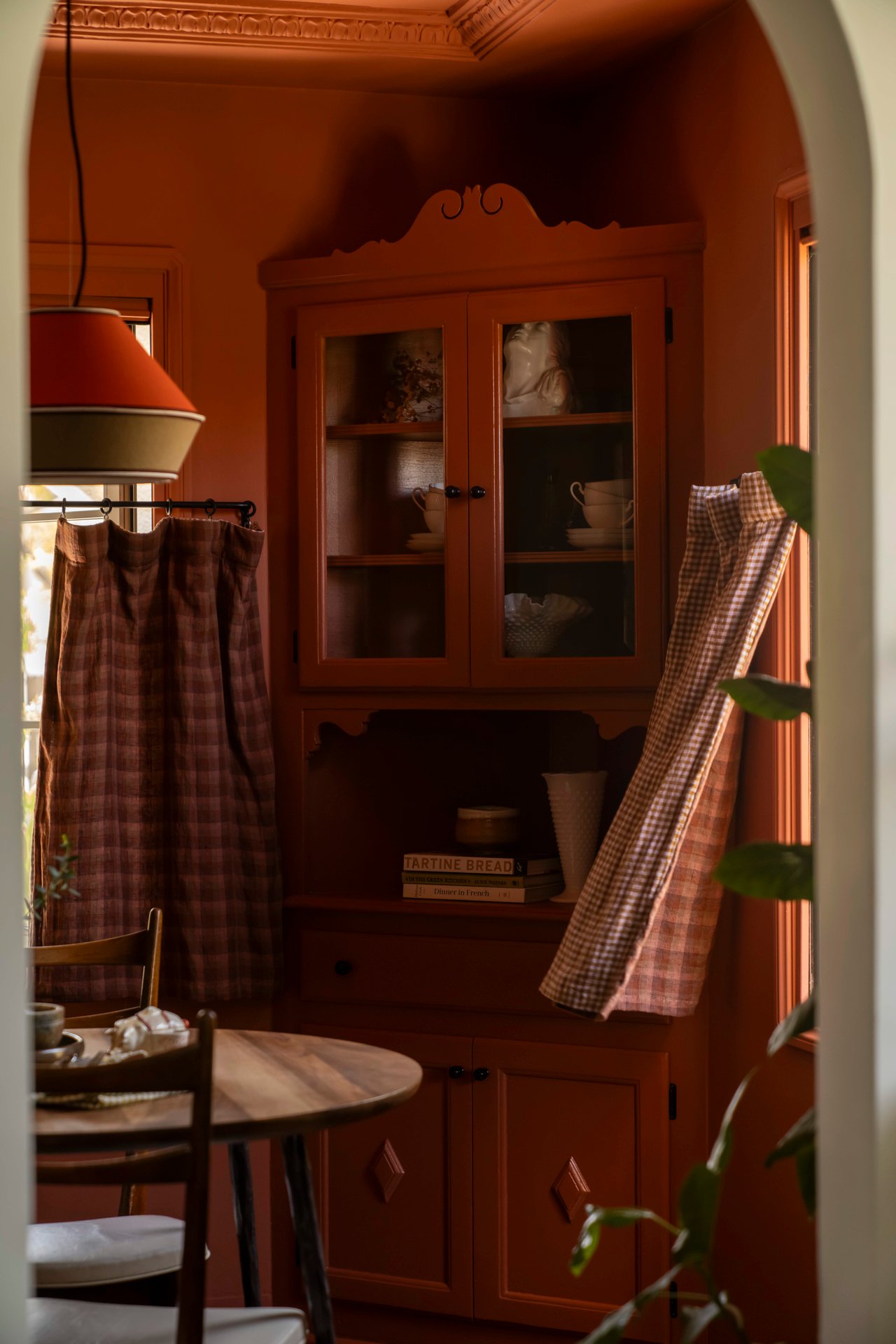
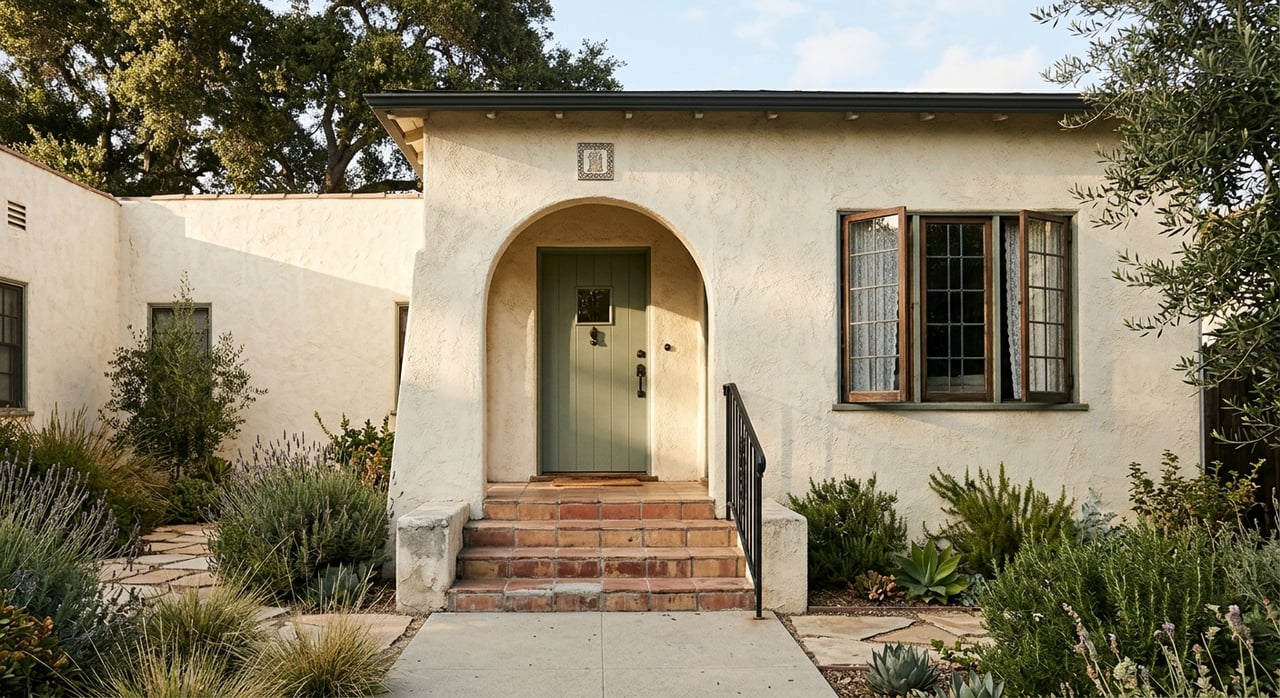
Pay close attention to the block, the building type, and your relationship to the park’s main activity zones. A condo near transit, a townhome on a quieter side street, or a character home in a nearby residential pocket may each offer a very different version of Expo Park living.
The right choice is not about chasing the closest address to the museums. It is about finding the home that fits how you actually want to live.
If you want help comparing blocks, home types, and neighborhood fit around Exposition Park and nearby central LA neighborhoods, Your Spot LA can help you find the right match with a thoughtful, local perspective.
FAQs
What is Exposition Park in Los Angeles?
- Exposition Park is a 160-acre state-managed civic district in Los Angeles with museums, sports and entertainment venues, green space, and public facilities, rather than a purely residential neighborhood.
What kinds of homes are near Exposition Park?
- The area around Exposition Park includes a mix of single-family homes, duplexes, triplexes, townhomes, condominiums, apartments, small-lot developments, and mixed-use residential properties depending on the block and zoning.
What transit options are available near Exposition Park homes?
- Exposition Park is served by the Metro E Line at the Expo Park/USC station, and the area also has Metro Bike Share stations around the park.
What should buyers know about parking near Exposition Park?
- Buyers should know that event activity from major venues can create parking pressure, added traffic, and limited public parking, especially near major corridors and event lots.
Is buying near Exposition Park good for resale appeal?
- Exposition Park has strong identity because of its museums, park space, transit access, and continued cultural investment, which can support buyer interest, though resale always depends on the specific property and block.
How close to Exposition Park should you buy?
- The best distance depends on your lifestyle, since homes closer to transit and venues may offer convenience but also more activity, while homes a few blocks deeper into residential streets may feel quieter.