Wondering whether a Spanish tile roof, a glassy Mid-Century, or a modernized classic fits your life in The Oaks? You are not alone. The neighborhood’s hillside setting, breezy coastal climate, and love of indoor-outdoor flow create a clear set of styles that repeat across its streets. In this guide, you will learn how to spot each architectural type, what it means for daily living, and which inspection items to prioritize before you write an offer. Let’s dive in.
Why The Oaks architecture stands out
The Oaks sits along Ventura’s foothills with gently sloping lots and pockets that back to open-space corridors. That hillside orientation can shape views, sun exposure, drainage, and yard usability. You will see homes positioned to capture light while protecting privacy and outdoor living.
Ventura’s Mediterranean coastal climate encourages shaded patios, cross-breezes, and durable exterior finishes. Many homes emphasize courtyards, sliders, and covered porches so you can connect easily to the yard year-round. Single-level living shows up often and aligns with buyer demand for ease and flow.
Spanish Colonial Revival and Mediterranean
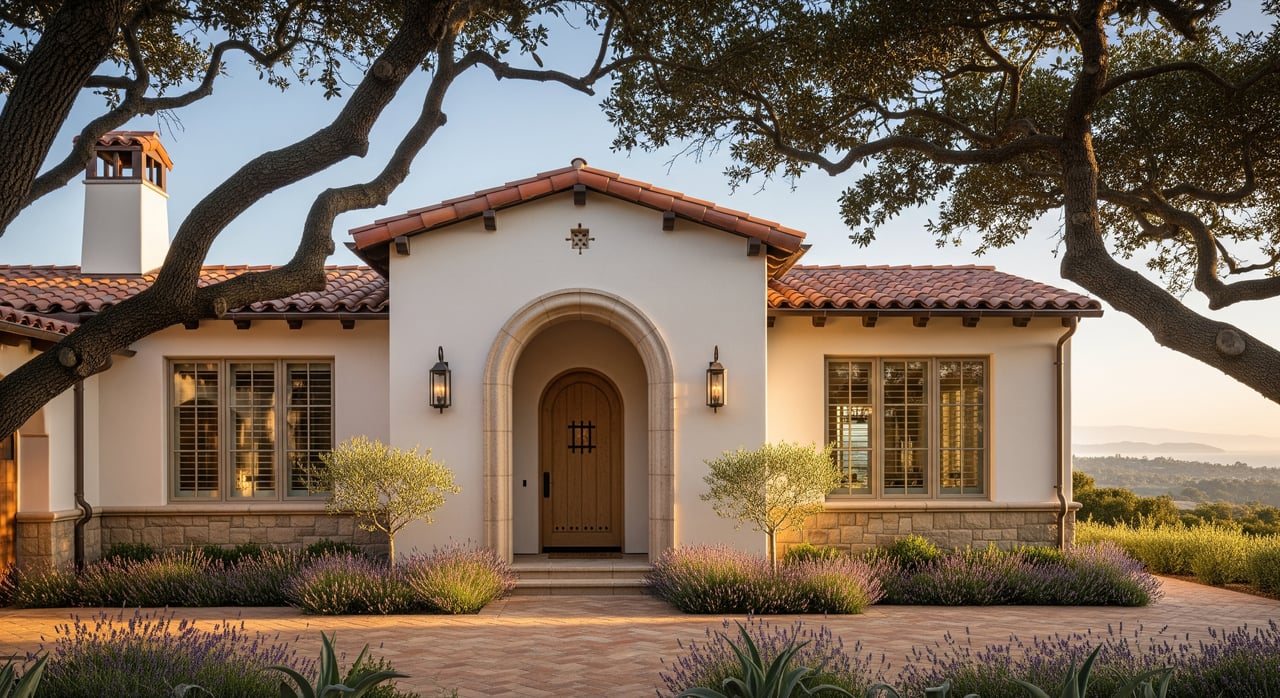
Hallmarks you will notice
- Stucco exteriors with low-pitched red or clay tile roofs
- Arched doors and windows, wrought-iron or wood accents
- One or two stories with patios, loggias, or interior courtyards
Layout and light
- Rooms can feel more compartmentalized than open-plan
- Deep eaves and smaller windows help reduce harsh sun
- Courtyards add privacy, fresh air, and cross-ventilation
What to verify during due diligence
- Roof: clay tiles often outlast the underlayment. Confirm underlayment, flashings, tile clips, and attic ventilation
- Stucco: look for proper moisture management at penetrations and transitions
- Systems: check age of plumbing and electrical, and note window type if single pane
Common red flags
- Hidden moisture behind stucco
- Failing roof underlayment or inadequate ventilation
- Unpermitted garage or courtyard conversions
Mid-Century: Ranch and Modern influences
Hallmarks you will notice
- Low horizontal lines with shallow gables or low-slope roofs
- Large picture windows or clerestories that frame the yard
- Open living, dining, and kitchen flow with built-ins
Layout and light
- Strong indoor-outdoor connection, often single level
- Generous glazing for natural light and views
- Easy circulation that suits a range of living needs
What to verify during due diligence
- Windows: single pane versus energy-efficient upgrades
- Insulation levels and the age of HVAC and electrical panels
- Presence of older materials such as asbestos flooring or lead-based paint in vintage homes
Common red flags
- Water intrusion at flat or low-slope roofs
- Rot at large window frames and sliders
- Insufficient seismic anchorage in older post-and-beam construction
Thoughtful contemporary updates and newer infill
Hallmarks you will notice
- Clean lines, larger panes of glass, and open public spaces
- Kitchen islands, recessed lighting, and modern finishes
- Expanded decks and patios that extend living outdoors
Layout and light
- Bright great rooms and indoor-outdoor flow as a design priority
- Window placement that captures views and passive solar gain
- Flexible spaces that accommodate work, dining, and entertaining
What to verify during due diligence
- Permits for additions, window enlargements, and ADUs
- Structural upgrades that match new openings and loads
- Grade and drainage improvements following expansions
Common red flags
- Unpermitted additions or cosmetic-only remodels
- Incomplete structural support around new glazing
- Poor drainage or unfinished site work on sloped lots
Hillside lots, climate, and site factors
The Oaks’ slopes make drainage and retaining walls important. Look for clear water pathways, intact walls, and evidence of erosion control. A well-graded yard protects the structure and helps keep outdoor areas usable.
Coastal sun and breezes reward smart shading and cross-ventilation. Deep eaves, window orientation, and covered patios are more than a style choice. They help with comfort and energy use.
If you plan to add solar, check roof orientation and tree cover. On tile roofs, factor in the roof’s condition and mounting approach when budgeting.
Price tiers: what to expect by feel
Prices change. Think of these bands as a quick guide to features you might see at different tiers in The Oaks.
- Entry tier: smaller footprints or older stock with original kitchens and baths. Expect to plan for system upgrades, window replacements, HVAC, and potential roof work
- Mid tier: updated kitchens and baths, refreshed flooring and paint, improved landscaping, and sometimes seismic or foundation enhancements
- High tier: comprehensive remodels with modern systems, strong indoor-outdoor spaces, larger lots, wider views, and possible detached ADUs
Inspection and permit checklist
- General home inspection, plus roof, pest, and foundation reviews for sloped lots
- Plumbing and electrical: check for galvanized lines, older panels, or legacy wiring
- Tile roofs: verify underlayment, flashings, and clips. Determine reroof scope
- Mid-Century glazing: assess replacement costs and character impact
- Permit history: confirm city records for past remodels, additions, and ADUs
Energy and comfort upgrades that pay off
- Double-glazed windows and well-sealed doors
- Attic insulation, duct sealing, and right-sized HVAC
- Efficient water heaters, including tankless options
- LED lighting and thoughtful shading for comfort
Nearby outdoor assets residents enjoy
You are close to Ventura’s foothill recreation and the coast. Residents often frequent Ventura Botanical Gardens for views and trails, Arroyo Verde Park for hiking, and regional trail corridors along the Ventura River for biking and running. Downtown Ventura, the pier, and harbor offer dining and coastal access. If walkability is important, verify routes, parking, and distances from your specific street.
How to shop smart in The Oaks
- Decide your style priorities: historic character, open-plan living, or turn-key contemporary
- Match layout to your daily routine: single-level needs, work-from-home space, or yard access
- Budget for realistic upgrades: roof underlayment, window packages, HVAC, and drainage
- Verify permits early to avoid surprises during escrow
- Use inspection specialists who know clay-tile roofs, mid-century windows, and hillside structures
If you want a second set of eyes on style, systems, and resale potential, our design-forward team can help you cut through the noise and buy with confidence.
Ready to explore homes in The Oaks with a plan that fits your style and budget? Connect with Your Spot LA for guidance, vetted vendors, and a tailored search.
FAQs
How can I tell original features from later remodels in The Oaks?
- Compare window types, stucco texture, and roof details against era norms. Original clay tiles often sit over newer underlayment, and expanded glazing usually indicates a later update
What are the most expensive updates on these homes?
- Roofing underlayment on clay tile systems, structural or foundation work on sloped sites, and comprehensive kitchen or window overhauls tend to top the list
Are Mid-Century homes practical for single-level living?
- Yes. Many Mid-Century plans are single level with open flow and large sliders to the yard, which can suit a wide range of daily needs
Do Spanish-style homes need special maintenance?
- Focus on roof underlayment, proper stucco moisture management, and ventilation. Small stucco cracks and aged flashings deserve attention to prevent hidden moisture
How do I confirm permits for past renovations?
- Check City of Ventura records for building permits, plan checks, and finals. Match scope and dates to visible work, and address any unpermitted items before closing
Which specialists should I budget for on hillside lots?
- A roofing contractor experienced with clay tile, a structural or foundation inspector, a window specialist for large panes, and a drainage contractor if grading needs work
How do features map to price tiers in The Oaks?
- Entry tier often means original systems and smaller footprints, mid tier offers move-in updates, and high tier brings comprehensive remodels with larger lots and wider views