Love built-ins, artisan tile, and sunlit porches that feel like a magazine spread? If you are eyeing Highland Park, you are shopping in one of LA’s richest pockets of early 20th-century design. This guide will help you read a home’s style at a glance, know what details add lasting value, and navigate HPOZ basics and smart, preservation-minded updates. Let’s dive in.
Why Highland Park draws design lovers
Highland Park sits along the Arroyo Seco and grew into an early center of the Arts & Crafts movement. You see it in the bungalows, studio craft, and distinctive stone and tilework that still shape the streetscape around Garvanza and the Arroyo. The area’s historic character is recognized by the Highland Park–Garvanza Historic Preservation Overlay Zone, which outlines how exterior changes are reviewed to protect neighborhood identity. You can explore the district’s background and rules in the City’s resource on the Highland Park–Garvanza HPOZ.
Interest in the neighborhood’s architecture has been strong since the 2000s, fueled by design-forward shops and careful restorations along York Boulevard and North Figueroa. Local reporting has covered this shift and the conversations it sparked, including the role that restoration has played in the market. For context, see the Los Angeles Times coverage of Highland Park’s evolution.
Character home styles you will see
Craftsman and bungalows
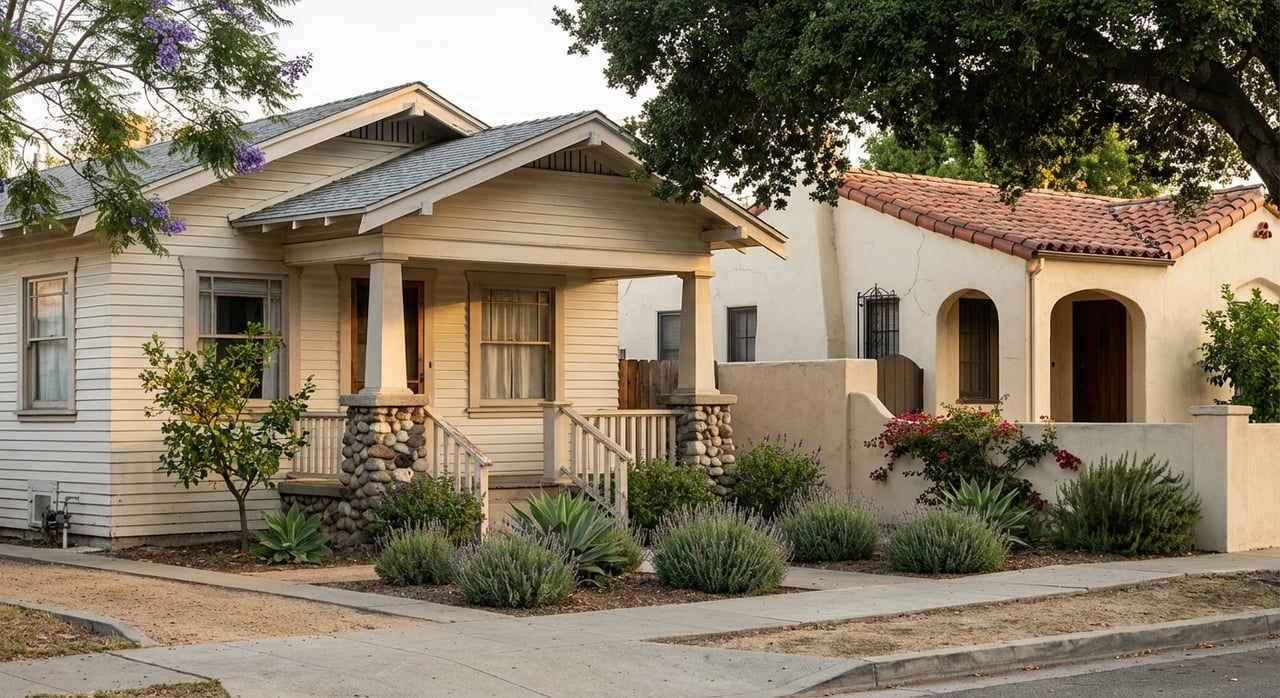
From about 1900 to 1930, Craftsman homes became the neighborhood’s signature look. Think low-pitched gabled roofs, generous porches with tapered or square columns, and exposed rafters under wide eaves. Inside, you often find a human-scale plan with a living room and fireplace up front, box-beam ceilings, a built-in buffet between living and dining, and original hardwood floors. Many Highland Park homes also feature Arroyo stone or decorative tilework at the fireplace. For a sense of the local bungalow vocabulary, the Los Angeles Times offers helpful examples in a Highland Park Craftsman profile.
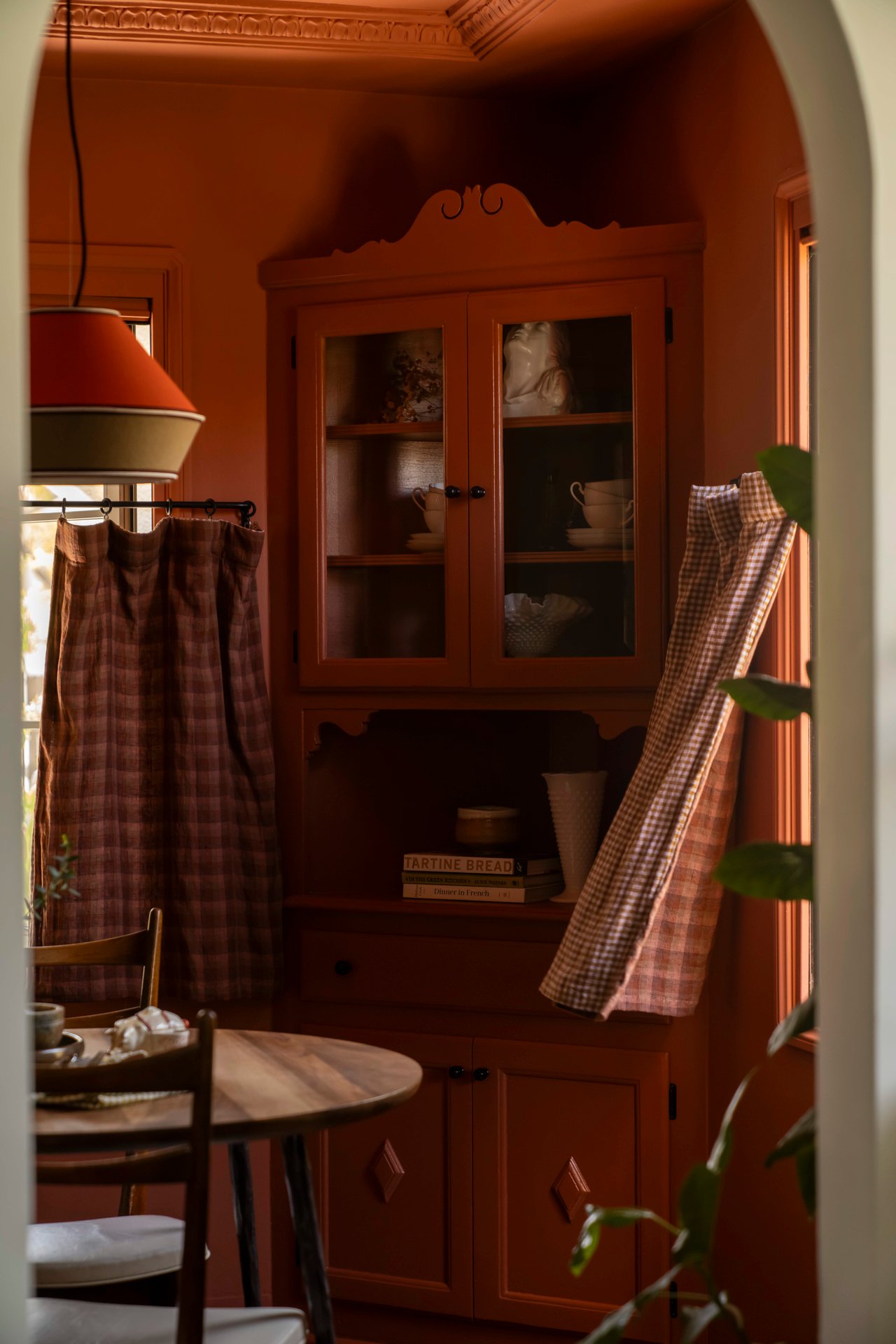
What to protect: original built-ins and mantels, Batchelder or other period tile at the hearth, leaded or stained glass windows, and intact millwork and doors. These details are often the difference between a good house and a great one for design-focused buyers.
Spanish Colonial Revival and Mission
Built mainly from 1915 to 1940, these homes bring smooth stucco, red clay tile roofs, arched openings, and pretty tile accents to stairs, baths, and courtyards. Plans may wrap an interior patio or form an L that creates shaded outdoor rooms. Inside, look for carved wood doors, rustic beams, and decorative ironwork. For a local precedent, the Los Angeles Conservancy profiles period examples like the Doumakes House.
Midcentury and postwar pockets
You will also spot late 1940s to 1960s homes with low or flat roofs, larger open rooms, and big glass openings to the yard. These houses often start closer to modern living patterns, with open living and dining, carports, and simpler lines that take well to minimalist updates.
Queen Anne, Shingle, and Tudor Revival
Garvanza and pockets near the Arroyo include earlier turn-of-the-century styles with steep rooflines, bay windows, and ornamental millwork, along with some Tudor Revival features. While less common than Craftsman, these homes enrich the HPOZ’s stylistic range. You can confirm the district’s variety in the HPOZ overview.
How to tour a Highland Park character home
Quick exterior checklist
- Roof and eaves. Note age, sagging, patched areas, and whether the material matches the home’s era. Clay tile roofs on Spanish homes have different maintenance needs than composition shingles on bungalows. If a roof looks near end-of-life, budget for replacement.
- Porch, foundations, and stonework. Original porches are character-defining, so check for settled footings, deteriorated posts, or non-historic enclosures. Arroyo stone or other masonry should be sound, not just skim-coated. The HPOZ guidance explains why these elements matter to neighborhood character.
- Windows and doors. Original wood-sash or casement windows, leaded or stained glass, and an intact front door add value. From a preservation standpoint, repair is typically preferred over wholesale replacement. For energy and preservation tips, review the NPS sustainability guidance for historic buildings.
Interior details to value
- Millwork and built-ins. Look for intact bookcases, buffets, pocket doors, and boxed openings between rooms.
- Surfaces. Original plaster often carries subtle texture and shadow. Mismatched drywall patches or trim can hint at earlier alterations.
- Floors. Refinishable original hardwood is a big plus. Check for cupping, deep stains, or transitions that suggest past room reconfigurations.
Systems and permitting, the non-glamorous musts
- Electrical. Older homes may have knob-and-tube wiring, fuse boxes, or ungrounded circuits. Plan for a licensed electrician to evaluate and price updates.
- Plumbing. Galvanized supply lines or cast-iron sewer laterals are common in early homes. A sewer camera inspection is a smart move.
- Pest and wood rot. Examine sills, porch columns, and crawlspaces for termite activity and past repairs.
- Insulation and HVAC. Many homes lack wall insulation and older HVAC. Ask about attic insulation and where condensers can be placed without harming exterior character.
- Permits and records. Verify past work, additions, and conversions through LADBS permits and the City’s parcel data. Start with LADBS’s plan review and permitting page and use a guide to the ZIMAS parcel tool to research overlays and case files.
Local disclosures and point-of-sale items
California sellers provide standard transfer disclosures that include seismic and water-heater bracing information. Buyers should confirm these are complete and accurate. You can review the state’s Homeowner’s Guide to Earthquake Safety to understand what to look for.
HPOZ basics for buyers
Much of Highland Park falls within the Highland Park–Garvanza HPOZ, which adds a layer of preservation review for exterior changes that affect visible character. Scope matters. Minor work may qualify for streamlined staff approvals, while bigger changes can go to the HPOZ Board. Before you plan an exterior project or addition, verify the property’s status in ZIMAS and connect with HPOZ staff through the City’s HPOZ page.
Smart, preservation-minded updates
Mechanical and comfort, minimal impact
- Ductless mini-split heat pumps are often the least invasive way to add efficient heating and cooling while keeping walls and ceilings intact. The National Park Service supports high-efficiency, minimally invasive systems when appropriate. Explore the NPS sustainability guidelines for best practices.
- Electrical and plumbing upgrades can be routed in chases and behind finishes so you preserve visible character. Keep historic fixtures where possible and rewire discreetly.
Kitchens, baths, and finishes that fit
- Respect original rhythms. In a bungalow, that often means preserving the visual separation between living and dining, and echoing original cabinet profiles and trim.
- Protect or carefully replicate distinctive tile and fireplace elements. Historic tilework, including Batchelder, is a hallmark worth celebrating. For inspiration on regional tile heritage, see this Los Angeles Times feature on Batchelder.
Additions and ADUs
Los Angeles allows accessory dwelling units on most residential lots, and the City offers standard plans and clear guidance. In HPOZ areas, placement, materials, and visibility from the street may trigger design review, so engage early with staff. Start with the City’s ADU resource page to understand feasibility and next steps.
Windows and energy efficiency
Windows are often character-defining. Repair, weatherstripping, storm windows, and interior insulating panels are strong first steps before considering replacement. If replacement is required, match original sightlines and materials so the home’s face reads correctly. The NPS sustainability guidelines outline a balanced approach.
What details most affect value
If you love design, certain features tend to punch above their weight in both enjoyment and resale. Intact built-ins and millwork, original hardwood floors, well-preserved windows and doors, and a restorable fireplace with Arroyo stone or decorative tile often justify focused investment. For a sense of what resonates with buyers, review this Craftsman case example.
Working with a design-forward team
You want a home that fits your life and honors the neighborhood’s character. We can help you evaluate style, scope, and value, then plan updates that keep the soul of the house intact. As a boutique team backed by Compass, we combine neighborhood-first guidance with polished presentation, including staging, professional photography, and access to Compass Concierge for pre-sale projects when you are ready to list. Ready to step inside the right Highland Park home and see what is possible? Connect with Your Spot LA to get started.
FAQs
What is the Highland Park–Garvanza HPOZ and how does it affect me?
- It is a historic preservation overlay that adds design review for exterior changes; start with the City’s HPOZ page to understand approvals and contact staff early.
Which Highland Park home styles are most common for design lovers?
- Craftsman bungalows lead the pack, followed by Spanish Colonial Revival and some midcentury and earlier Victorian-era types in pockets like Garvanza.
What should I look for on a first tour of a character home?
- Focus on roof and porch condition, original windows and doors, intact built-ins and floors, and signs of permitted work or past alterations.
Can I add an ADU to a Highland Park property in the HPOZ?
- ADUs are broadly allowed in LA, but HPOZ properties may require design review for placement and visibility, so consult LADBS and HPOZ staff early.
What surprises should I budget for with older homes?
- Electrical and plumbing upgrades, potential roof replacement, pest or rot repairs, and costs to legalize or correct unpermitted work are common items.